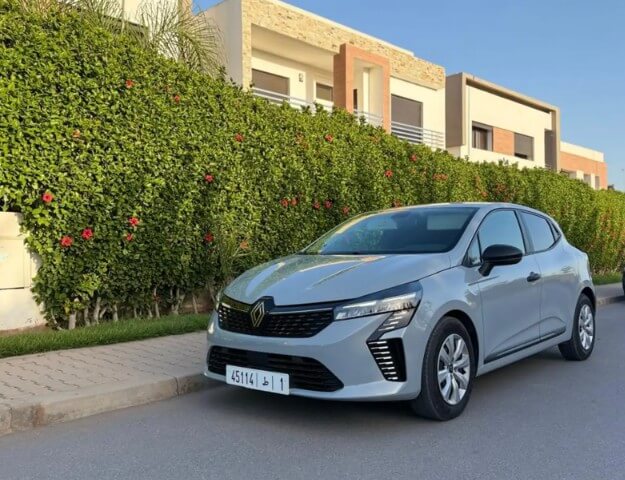
Driving in Morocco can give tourists much more freedom than travelling only by train, bus or private transfer. With a rental car, it becomes easier to connect Rabat, Casablanca, Marrakech, Fes, Chefchaouen, Essaouira, coastal towns, mountain villages and scenic viewpoints in one flexible itinerary. For travellers who want to see more than one city, a car can make the trip more personal and less dependent on fixed schedules.
At the same time, Morocco is not a country where tourists should drive without preparation. Main roads and motorways are often good, but city traffic can feel intense, rural roads may include unexpected hazards, and some mountain or desert routes require more planning than they appear to on a map. The key is not to be afraid of driving in Morocco, but to understand how it works before you collect the car.
This guide explains what tourists should know before driving in Morocco in 2026, including road conditions, documents, police checks, parking, city traffic, mountain routes, insurance, deposits and rental car choice.
Is it safe to drive in Morocco as a tourist?
Driving in Morocco is manageable for tourists who are confident behind the wheel and willing to adapt to a different road environment. Many visitors rent cars every year and drive between cities, beaches, mountain areas and desert gateways without problems. The easiest routes are usually between major cities and along well-used tourist roads.
The more challenging part is local driving style. In busy areas, traffic may feel less structured than in many European countries. Scooters, taxis, buses, pedestrians and small delivery vehicles can move closely together. In rural areas, you may meet animals, people walking near the road, slow trucks or vehicles entering without much warning.
For first-time visitors, the safest approach is to start with simple routes, avoid rushing and plan longer drives during daylight. If you feel uncomfortable with heavy traffic, do not drive deep into old medina areas. Park nearby and continue on foot or by taxi.
Documents tourists should carry
When driving in Morocco, keep your documents with you. You should have a valid driving licence, passport or ID, rental agreement and insurance documents. If your driving licence is not easy for local authorities to read, an International Driving Permit can be useful as an additional translation.
Police checks are common on some roads, especially near city entrances, junctions and longer intercity routes. These checks are usually routine. Slow down, stop if requested and keep your documents ready. A calm attitude and complete paperwork usually make the process quick.
Do not leave passports, money, cameras or important documents visible inside the car when parked. Keep valuable items with you or out of sight.
Speed limits and road controls
Speed limits in Morocco are usually signed, and tourists should always follow the posted signs. As a general guide, limits are often around 60 km/h in towns, 100 km/h on main roads and 120 km/h on motorways, but local signs can change this. Limits may drop near villages, roadworks, schools, junctions and police checkpoints.
Speed controls are common. You may see police with radar on straight road sections, at town entrances or near roundabouts. Fines can be issued on the spot, so it is better to drive slightly below the limit rather than risk a problem during your trip.
Even when a road looks empty, avoid driving too fast. Rural roads can change quickly, and unexpected obstacles are possible, including animals, pedestrians, cyclists, tractors and vehicles stopping at the roadside.
Motorways are the easiest option for long distances
Morocco has a useful motorway network connecting several major cities. For tourists, motorways are often the most comfortable way to cover long distances because they are faster, clearer and more predictable than smaller roads.
Routes such as Rabat to Casablanca, Casablanca to Marrakech, Rabat to Fes and Rabat to Tangier are easier when you use main roads or motorways. Toll roads are common, so keep some Moroccan dirhams in cash. Card payment may be available in some places, but cash is still the simplest option for many travellers.
Motorways are not always scenic, but they are practical. A good road trip plan often uses motorways for the longer sections and smaller roads only where they add real value, such as coastal detours, viewpoints or mountain villages.
City driving in Morocco
City driving is where many tourists feel the biggest difference. Rabat is usually calmer and more manageable than Casablanca or Marrakech. Casablanca is larger and busier, with heavier traffic and more aggressive lane changes. Marrakech can feel intense around the old town because of scooters, taxis, pedestrians, tourist vehicles and horse carriages. Fes can be difficult near the medina because many streets are narrow or not suitable for cars.
If your accommodation is in a riad or inside an old city area, check parking before arrival. Many medina streets are not designed for tourist drivers with rental cars. It is often easier to park outside the old town and walk the final part or arrange help from your accommodation.
In big cities, a rental car is most useful for arriving, leaving and making day trips. For short movements inside the centre, taxis or walking can be less stressful.
Parking tips for tourists
Parking in Morocco can be very different depending on the place. Modern hotels, shopping centres and newer districts often have straightforward parking. Old towns, beach areas and busy markets can be more confusing.
In many places, informal parking attendants help drivers find spaces and expect a small payment. This is common in Morocco. If you are not sure about the price, ask before leaving the car or check what local drivers are paying.
For overnight stays, choose accommodation with private or secure parking when possible. This is especially useful in Rabat, Casablanca, Marrakech, Fes and popular coastal towns during busy months.
Driving in the Atlas Mountains
The Atlas Mountains are one of the most impressive areas to explore by car, but they require more patience than coastal or motorway routes. Roads may include sharp bends, steep sections, uneven surfaces and slow vehicles. Weather can also change quickly, especially outside summer.
Do not plan mountain drives too tightly. A route that looks short on a map can take much longer because of curves, elevation, villages, viewpoints and traffic. Driving during daylight is strongly recommended, especially if it is your first time in the area.
A small car can be enough for many paved mountain roads, but a stronger vehicle is more comfortable if you travel with passengers, luggage or plan longer routes through higher areas. If the route includes unpaved tracks, check the rental conditions first.
Desert routes need realistic planning
Many tourists want to include Merzouga, Zagora or desert-edge routes in their Morocco itinerary. These trips can be memorable, but they are not short casual detours. Distances are long, driving times can be tiring, and fuel stations may be farther apart once you leave major towns.
Plan fuel, water, overnight stops and arrival times carefully. Avoid starting a long desert route late in the day. Night driving in remote areas can be stressful because of poor lighting, animals, people walking near roads and unexpected obstacles.
Do not take a standard rental car onto desert tracks unless the rental company clearly allows it. Off-road driving is often excluded from insurance, even if you have paid for better coverage.
Should tourists drive at night in Morocco?
Short evening drives in familiar areas can be fine, but long night drives are not ideal for first-time visitors. Outside cities, lighting may be limited, and it can be harder to see pedestrians, animals, cyclists or slow vehicles.
If your flight arrives late, think carefully before starting a long drive immediately. It may be better to stay near the airport or in the arrival city and begin the road trip the next morning. This is especially true if the route includes mountains, rural roads or unfamiliar city traffic.
For a smoother trip, plan your longest drives in the morning or early afternoon and arrive before dark.
Choosing the right rental car in Morocco
The best rental car depends on your itinerary. For Rabat, Casablanca, Marrakech, coastal towns and standard intercity routes, an economy or compact car is usually enough. It is easier to park, cheaper to fuel and practical for normal paved roads.
For longer road trips, mountain routes or family travel, a larger car can be more comfortable. Extra luggage space, stronger air conditioning and better seating matter more when you spend several hours on the road.
If your plan includes mountain villages, rural guesthouses or desert-edge destinations, check the access road before booking. Do not assume every accommodation shown on a map is easy to reach with a small car.
Insurance and deposit conditions
Before renting a car in Morocco, check the insurance and deposit rules carefully. Basic insurance may include an excess, meaning you could still be responsible for part of the cost if the car is damaged. Some offers look cheap because they come with a high deposit or limited coverage.
Pay attention to exclusions. Tyres, glass, underbody, roof, keys, wrong fuel, interior damage and off-road driving may not be covered. These details matter if you plan to drive through mountain areas, rural roads or places with rough surfaces.
Also check whether the rental company requires a credit card in the main driver’s name. Debit cards are not always accepted for deposits. If you want fewer surprises at pickup, compare deposit amounts, excess levels and full coverage options before booking.
Fuel and petrol stations
Fuel stations are easy to find in major cities, on motorways and near larger towns. On mountain, rural or desert routes, it is better to refuel earlier rather than waiting until the tank is almost empty.
The simplest rental fuel policy is usually full-to-full. You collect the car with a full tank and return it full. This keeps the cost clear and avoids paying for fuel you did not use.
Before leaving the rental office, check the fuel level and make sure it matches the paperwork. A quick photo of the dashboard at pickup and return can help avoid misunderstandings.
Navigation and mobile internet
Navigation apps are useful in Morocco, but they should not be followed blindly. Apps may send you through narrow medina streets, small village roads or shortcuts that are not suitable for tourist drivers.
Before starting a route, check the general direction and choose main roads when possible. For old towns, set your destination to a nearby parking area rather than the exact hotel door, especially if you are staying in a riad.
Mobile internet is useful for maps, hotel communication and route updates. If you plan to drive in remote areas, download offline maps in advance because signal can become weaker in mountains or rural regions.
Local driving style
Moroccan driving can feel more flexible than what many tourists are used to. Drivers may change lanes quickly, scooters may pass closely, and pedestrians may cross in busy areas. The safest response is to stay calm, keep enough distance and avoid sudden movements.
The horn is often used as a short warning rather than an angry gesture. At roundabouts and junctions, slow down, watch the traffic carefully and move only when the situation is clear.
Confidence is useful, but patience is more important. Defensive driving is the best style for tourists in Morocco.
Good routes for first-time visitors
If it is your first time driving in Morocco, start with routes that are useful but not too demanding. Rabat to Casablanca is a straightforward coastal-city route. Rabat to Fes is a good option for travellers focused on culture and history. Marrakech to Essaouira is popular for combining a city break with the Atlantic coast.
Rabat can be a practical base for a Morocco road trip because it is calmer than some larger tourist cities and well connected by main roads. From Rabat, tourists can plan trips toward Casablanca, Meknes, Fes, Tangier or nearby coastal areas.
If you want to compare rental options before planning your route, RentGo Rabat helps travellers check car rental choices in Rabat and choose a vehicle that matches their itinerary, luggage and driving plans.
Common mistakes tourists make
One of the biggest mistakes is planning too much driving in one day. Morocco looks manageable on a map, but real travel times can be longer because of traffic, road conditions, mountain sections, police checks and stops.
Another mistake is driving into medina areas without checking parking first. This can lead to narrow streets, stressful turns and difficulty reaching the accommodation.
Tourists also often choose the cheapest rental car without checking the deposit, insurance or road restrictions. A low daily price is not always a good deal if the conditions do not match your route.
Finally, many visitors underestimate night driving. Long routes after dark are best avoided, especially on rural, mountain or unfamiliar roads.
Driving in Morocco in 2026 can be a rewarding experience for tourists who want flexibility and a deeper look at the country. A rental car makes it easier to connect cities, beaches, mountains and villages in one trip, but preparation matters.
Use main roads for long distances, avoid medina driving when possible, keep your documents ready, check insurance details and choose a car that suits your actual route. For mountain, desert or remote areas, allow more time than the map suggests and avoid roads that may not be covered by your rental agreement.
With the right planning, driving in Morocco can turn a standard itinerary into a much richer and more independent travel experience.