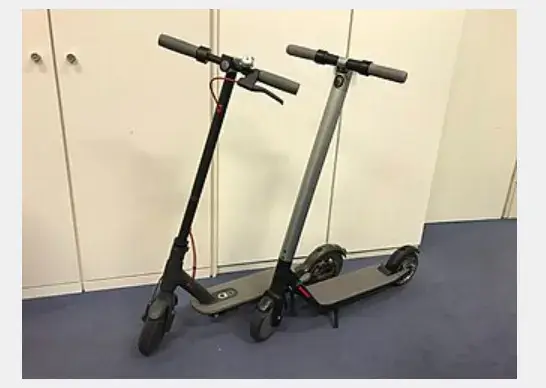
The batteries in scooters are lithium—ion cans that don't like stress. Strong subsidence to zero and long periods of standing accelerate aging by 100%, as does heat. The milder the mode, the longer the battery holds its capacity and releases current without surprises. More information can be found at https://techmakelab.ru / - manufacturer of various batteries, including for electric scooters.
Cycles are counted in total: two 50% charges are equal to one full charge. With shallow discharges, the resource is usually higher than with everyday "stop-to-stop". Plus, taking care of the temperature and careful storage adds months or even years of service.
Types of electric scooter batteries and what is important to know
NMC/NCA and LFP are most common. The former give higher specific energy at the same weight, the latter are famous for their durability and calm character in case of overheating. Weight and range are important for the city, stability and durability are important for harsh conditions.
The packages are assembled from 18650 or 21700 cells, and they are controlled by a BMS board that monitors voltage, current, and balancing. Different brands may have different cut—off thresholds and algorithms, so the factory memory and instructions are not just pieces of paper.
Optimal charge level when to plug in and when to remove
It is better to "feed" the scooter in portions. Most batteries are comfortable living in the 20-80% corridor. A charge of up to 80-90% is useful if you plan a long trip in the morning; keeping it at a hundred for weeks is not the best idea.
Do not be afraid to put on recharge before full discharge. Lithium does not suffer from "memory", and frequent short sessions put less stress on chemistry. It should be planted to zero only occasionally to calibrate the mileage indicator.
Dangerous Myths about Charging that harm the battery
There are many legends, but they are of zero use. Here are the most popular misconceptions that are best avoided.:
-
"You need to discharge before switching off every time." For lithium, this is stressful: deep drawdowns increase wear and tear and can awaken BMS protection.
-
"More powerful charging is faster and safer." Excess current raises the temperature, and the time gain is often minimal.
-
"In winter, you can charge it outside." At subzero temperatures, the risk of casting and cell damage increases.
-
"It's always okay to keep it plugged in all night." Charging stops, but prolonged exposure to high voltage accelerates degradation.
How to choose a high-quality and safe charger
The main thing is that the output voltage matches the battery type. For the popular 36-volt package, the upper point is 42 V, for 48 V — 54.6 V, for 52 V — 58.8 V. If the numbers on the power supply and in the package specification differ, such a device is not suitable.
We choose a reasonable current: usually 1.5–3 A is enough. A higher current is acceptable if