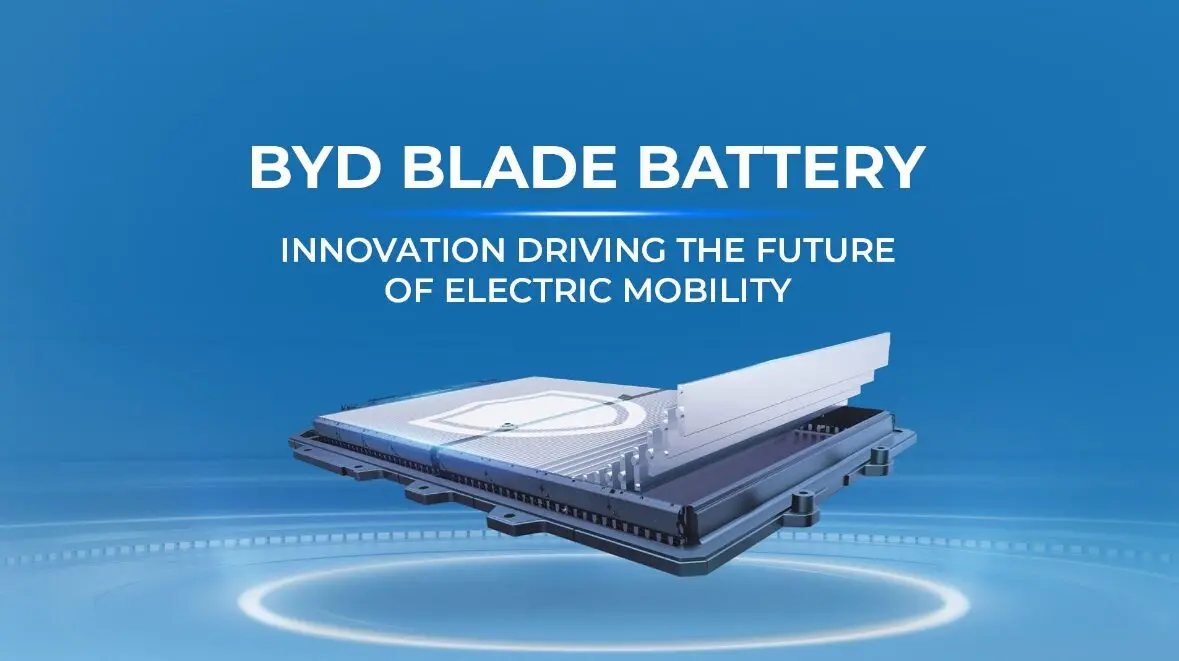
BYD has unveiled its first significant battery upgrade in six years, launching the second-generation Blade Battery, in an attempt to regain momentum after a sharp drop in domestic sales in China's highly competitive electric vehicle market.
Chairman Wang Chuanfu stated that the new battery can quickly charge from 20% to 97% in less than 12 minutes, even at -20°C, and provides a range of 777 km, while higher-density versions can provide a range of more than 1,000 km for the premium Denza Z9GT and luxury Yangwang U7 models. BYD said the batteries have passed safety tests exceeding China's latest national standards. Along with the technological upgrade, BYD plans to expand its "Flash Charging" network to 20,000 stations by the end of 2026, including 2,000 on highways, up from more than 4,000 built as of March 5, in line with China's desire to rapidly expand its charging station infrastructure. During the three-hour live broadcast, BYD unveiled more than 10 models of its brands with new Blade batteries, priced from 155,000 yuan for the Song Ultra EV to 1.3 million yuan for the Yangwang U8L.
Analysts warn that the expanded product line may not be enough in a market where consumers are increasingly price-conscious, and Macquarie notes that regaining market share may be difficult. The launch also comes at a time when Beijing is encouraging a shift away from harsh price wars towards more original, higher-quality products. BYD offered hybrid cars with a large power reserve and joined Tesla with seven years of low-interest financing, but this did not help stop the decline, which began in the second half of 2025 and intensified in January and February when Geely outperformed the company; the expiration of tax incentives for the purchase of electric vehicles and hybrid vehicles in China also helped traditional players like Volkswagen.