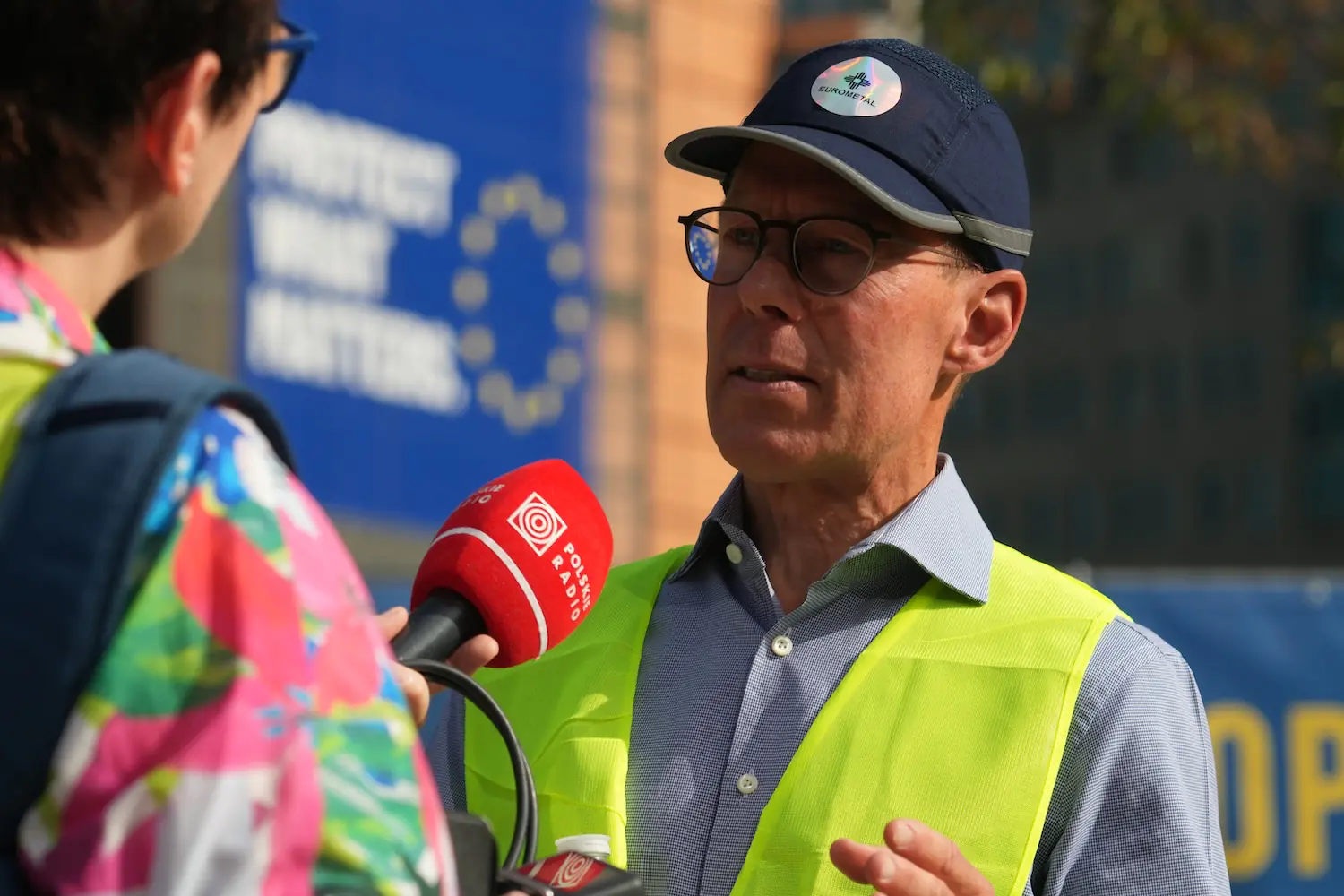
The European Parliament has supported the wider application of the Carbon adjustment Mechanism at the border (CBAM) to recycled steel and aluminum products, taking a step towards addressing one of the key shortcomings of the EU's climate policy.
The initiative came just a few days after EUROMETAL warned that rising prices for steel imported into Europe could transfer competitive pressure to finished products manufactured outside the European Union.
Although the Parliament's position recognizes that carbon risks are increasingly occurring not only at the stage of raw material production, but also further down the value chain, EUROMETAL points to serious gaps that remain. According to the federation, the mechanism still does not cover all types of products, is not being implemented quickly enough, and does not offer an effective solution for EU exporters who incur emissions-related costs on global markets.
The further transfer of emissions has received political recognition
The position of the European Parliament was announced against the background of growing concern among European steel consumers that stricter carbon requirements and trade rules could change the structure of imports rather than reduce pressure on the industry.
As previously reported, EUROMETAL raised this issue at the European Congress of Industrial Manufacturers and Competitiveness in Brussels on September 7, warning that higher costs for steel produced or imported into the EU could increase the attractiveness of finished components, equipment and other steel-containing products manufactured outside Europe.
Thus, the latest decision was an important political recognition that carbon transfer is no longer limited to primary steel and aluminum. It can affect components, assemblies, equipment, and finished products at later stages of the production chain.
The coverage of the mechanism still leaves noticeable gaps.
At the same time, EUROMETAL emphasizes that the proposed expansion remains too narrow. Even with the support of the European Parliament, a significant part of steel and aluminum products will still not be subject to CBAM. This may encourage producers from non-EU countries to further process outside Europe and export ready-made categories of goods that do not fall under the mechanism, which will actually enhance rather than curb the transfer of emissions.
The consequences go beyond competition in the finished product segment. If an increasing proportion of metal processing shifts outside the EU, domestic demand for European steel may also come under pressure.
The timing and competitiveness of exports remain key issues.
Another reason for criticism


