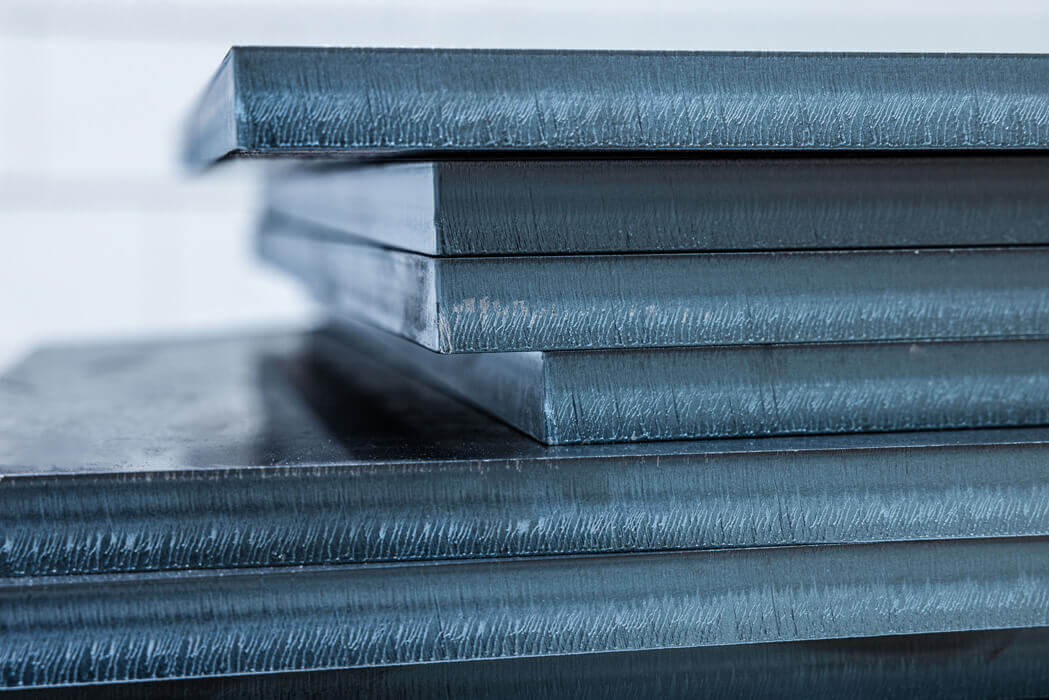
Hot rolled roll (HRC) prices in Italy have increased for the first time in more than four years compared to hot rolled sheet (HRP) prices, after products reacted differently to the introduction of a stricter EU quota regime on July 1.
The new quota system proved to be more disruptive to HRC than to HRP, which allowed rolled products manufacturers to push for higher prices. Meanwhile, falling slab prices combined with a decrease in demand for rolled products had a negative impact on the prices of rolled products.
The daily Italian HRC index was priced at 708.50 euros per tonne on Monday, trading at a premium of 8.50 euros per tonne to the two-week Italian HRC index for S235 grades. The Italian HRC index on Monday rose by 39 euros per tonne on a monthly basis, while the index on July 17 decreased by 25 euros per tonne compared to the previous month.
The reduction of gratuitous quotas under the new EU import regime from July 1 was more drastic for rolled products - by 46%, to 1.2 million tons per year, but the quota distribution was more favorable than for HRC. The volume of quotas for rolled products decreased by 33% to 5.2 million tons per year, but the fragmented distribution of volumes means that the quotas used are actually lower due to small allocations for certain suppliers and additional trade measures.
These concerns have already been highlighted by the Italian steel producers association Assofermet, which stated that the new EU protective measures against steel are projected to lead to a reduction in steel import quotas by 60-70%.
Various HRC shipments were diverted from Europe to North Africa and other destinations last week as trading firms sought to avoid imposing new 50 percent duties on volumes exceeding quotas.
The prices of rolled products increased due to a reduction in imports, but the fall in slab prices partially reduced the costs of rolled products distributors, which gave them the opportunity to reduce their supply in order to try to secure orders. Some market participants attributed the drop in slab prices directly to the new EU protective measures, saying that supplies from non-EU countries would switch to semi-finished products, as supplies of slabs to the EU were still not subject to trade measures, with the exception of supplies from Russia. Seasonal factors and previous waves of restocking, as a result of which the supply of slabs for the production of rolled products in Italy exceeded $ 600 per ton, also put pressure on slab prices during the summer.
Demand for domestic products reacted to the allocation of quotas and the expected reduction in supply by increasing the number of orders for meat delicacies. In contrast


