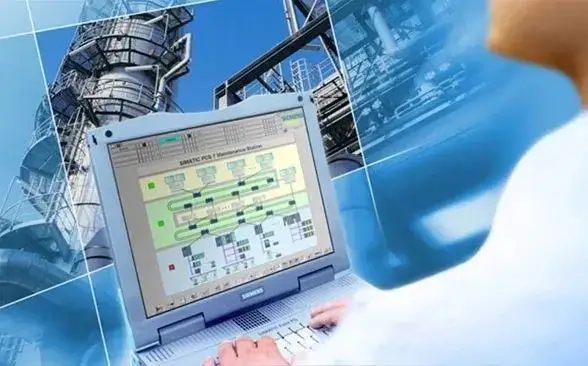
Modern engineering systems require constant monitoring, high reliability and operational management. That is why automation and dispatching of individual heating points (ITP) and central heating points (CSTP) are becoming an important part of the operation of housing and communal services, commercial real estate and industrial enterprises. Thanks to digital technologies, owners and operating organizations are able to monitor the parameters of heat supply in real time, as well as ensure accurate accounting of heat energy without the need for permanent staff presence at the facility.
Automated solutions allow you to collect data from metering devices and technological equipment, analyze them and respond in a timely manner to deviations from regulatory parameters. This approach helps to increase the energy efficiency of buildings, reduce operating costs and improve the quality of heat supply to consumers.
What is the automation of heating points (ITP, TSTP) for?
The heat point is a key part of the facility's heat supply system. It distributes heat energy between heating, hot water supply and ventilation systems. Without automated control, monitoring the operation of equipment requires significant labor and does not always allow timely detection of malfunctions.
Automation of ITP and TSTP solves several tasks at once:
- round-the-clock monitoring of equipment operation parameters;
- remote control of temperature, pressure and coolant flow;
- prompt detection of emergency situations;
- lower maintenance costs for facilities;
- improving the reliability of heat supply;
- reporting for resource supply and management organizations.
In addition, modern systems make it possible to organize centralized management of a large number of facilities through a single dispatch center, which is especially important for service and management companies.
How is automation of heating points carried out?
Automation is based on the installation of specialized controllers, sensors and communication devices integrated into a single information system. The equipment continuously collects data on the operation of the heating point and transmits it to the dispatching server.
The system provides remote access to information via a web interface or specialized software. The dispatcher can check the condition of the facility at any time, receive notification of an emergency and take the necessary measures.
One