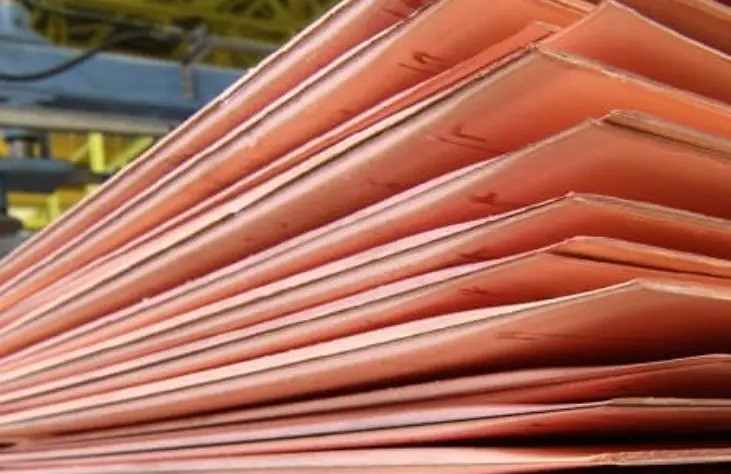
Sheet copper is a versatile metal with a long history of use: thin flat strips or sheets of copper are rolled and used where high conductivity, heat transfer, corrosion resistance and aesthetics are required. Sheets of pure copper and its alloys come in a variety of grades and thicknesses, from the thinnest foils to thick molding sheets, making the material suitable for a wide range of industrial and decorative applications.
Basic properties of copper sheet
Sheet copper stands out for a number of key characteristics that determine its popularity in a wide variety of industries. The electrical conductivity of copper remains the benchmark among structural metals, so the sheets are widely used for tires, contacts and flexible screens in electrical engineering. Thermal conductivity allows the use of copper sheets in heat exchangers, radiators and cooling systems, where it is important to quickly and evenly distribute heat. When exposed to the atmosphere, copper forms a protective patina that protects the metal from corrosion and at the same time gives the surface a noble decorative appearance — this is especially appreciated in architecture. Ductility and good machinability make copper convenient for stamping, bending and soldering, simplifying the manufacture of complex shaped parts.
Applications of sheet copper
Electrical and electronics engineering
Conductive plates, busbars, contacts, screens for cables and housings for electronics are made from copper sheets. Copper sheets are also used in the manufacture of printed circuit boards and conductive elements, where high conductivity and stability of electrical characteristics are important.
Heat engineering and refrigeration industry
Copper plates and tapes are used in heat exchangers, radiators, tubes of air conditioners and refrigerating units due to their high thermal conductivity. This allows efficient heat removal and distribution in cooling and air conditioning systems.
Construction and architecture
In construction, copper sheet is used for roofing, facade cladding, drainage systems and decorative elements. Copper coatings have been used for decades, combining durability, corrosion resistance and an attractive appearance, which only improves over time due to the formation of patina.
Mechanical engineering and industrial equipment
Rolled copper products are used in pumps, valves, seals and equipment housings, especially in cases where heat transfer and corrosion resistance are important. In shipbuilding and the chemical industry, copper and its alloys are used for individual parts in marine environments and in apparatus in contact with aggressive environments.
Cookware and food industry
Thick ones