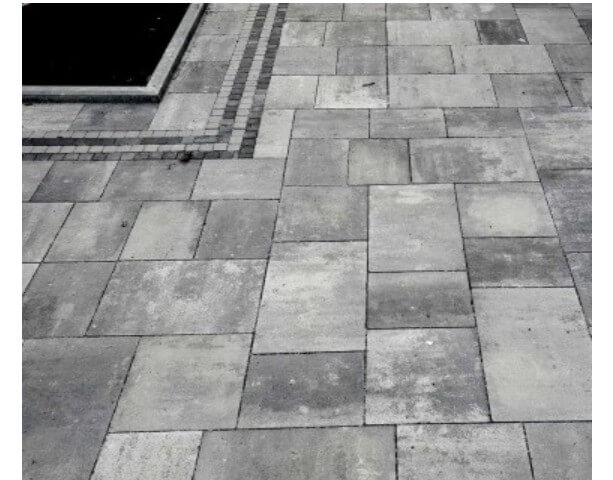
Landscaping a yard, garden paths, terraces, or driveways begins with choosing the right outdoor tiles. This element not only shapes the overall appearance of the site, but also affects the convenience, safety and durability of the coating. The market offers a variety of options — in shape, color, thickness, type of material and technology of laying. In this article, we'll look at how to choose outdoor tiles so that they last a long time and are pleasing to the eye.
"Properly selected tiles are not only a beautiful result, but also a guarantee that the coating will not collapse after the first frost or heavy rain. It is especially important to take into account the climate, load and site features."
1. Types of outdoor tiles
-
Vibro-cast paving slabs
It is made by vibrating casting from a concrete mixture. It has a good appearance and often has a decorative surface. Suitable for areas with low load (paths, pedestrian areas).
-
Vibropressed paving slabs
It is pressed on a vibrating press, which makes it stronger and more durable. It is used in places with heavy traffic: entrances, parking lots, roads.
-
Clinker tiles
Clay baked at high temperatures. It is characterized by high wear resistance, frost resistance and minimal moisture absorption. Suitable for premium landscaping.
-
Granite or basalt tiles
Very durable, but expensive material. It is used in places with maximum load and where high decorative effect is required.
2. Key selection parameters
Durability and wear resistance
If the tile is placed in the car passage area, it must support the weight of the equipment. In such cases, the minimum tile thickness is 60 mm, and for trucks — 80 mm.
Frost resistance
High frost resistance is important for the climate of Kharkiv: tiles must withstand at least 200 cycles of freezing /thawing. Check this indicator with the seller.
Water absorption
Low water absorption protects the tile from frost damage and cracking. The ideal indicator is no higher than 6%.
Anti-slip surface
It is especially important for terraces and paths near the house. The rough texture ensures safety in rain and snow.
Color and shape
The color is chosen not only for taste, but also for practicality: light shades visually expand the space, but get dirty faster. Dark ones are more practical. The shape can be classic (rectangle, "wave", "brick") or curly for decorative patterns.
3. Preparation of the substrate and proper installation
Even the best quality