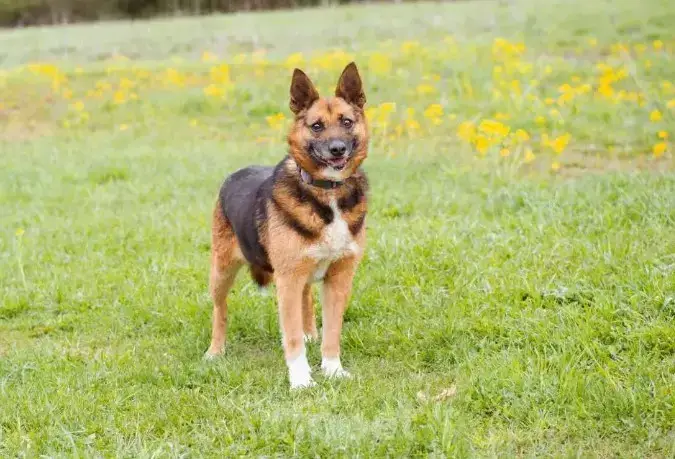
Industrial areas often become shelters for animals. Here they find warmth from working utilities, dry rooms, secluded nesting places and access to food, especially in the cold season. Such a neighborhood is inevitable, and businesses are increasingly realizing the need to build safe, humane relationships with animals. Just as a culture of responsible pet care is being formed at specialized sites like Kinpet, an understanding of the importance of careful coexistence with wild and homeless fauna is developing in the industrial environment.
Modern companies are increasingly considering this not as a problem, but as an element of environmental balance. Taking care of animals is becoming not a one-time action, but an element of corporate responsibility, reflecting the maturity of environmental policy and the level of social awareness of business.
Why the old methods don't work anymore
Previously, enterprises tried to solve the problem of the presence of animals in radical ways – by trapping, exporting or destroying. However, practice has shown that such measures do not produce sustainable results: after a short time, new individuals come to the vacated territories. In addition, such actions cause a negative reaction from society and contradict modern principles of environmental responsibility.
Today, companies are trying to eliminate not the consequences, but the causes of the appearance of animals. Animals settle where there is access to food, warmth, and shelter. Understanding this dependence has forced enterprises to move from reactive measures to systematic situation management, including prevention, staff training, and collaboration with experts.
This approach makes interaction with animals part of a corporate culture where humanity and rationality work together to ensure sustainable and safe production.
Control and prevention without harm
The main task of enterprises is not to eliminate animals, but to create conditions under which they will not seek to enter the territory. This is achieved through a set of engineering, sanitary and organizational solutions.
Effective prevention measures include:
-
Waste control. Garbage is stored in airtight containers and taken out in a timely manner, which eliminates the access of animals to food.
-
Access restrictions. All potential entry routes – gates, hatches, basements, cable shafts – are regularly checked and closed.
-
Regular cleaning of the territory. Removing debris, overgrowths, and temporary shelters reduces the attractiveness of the area.
-
Using