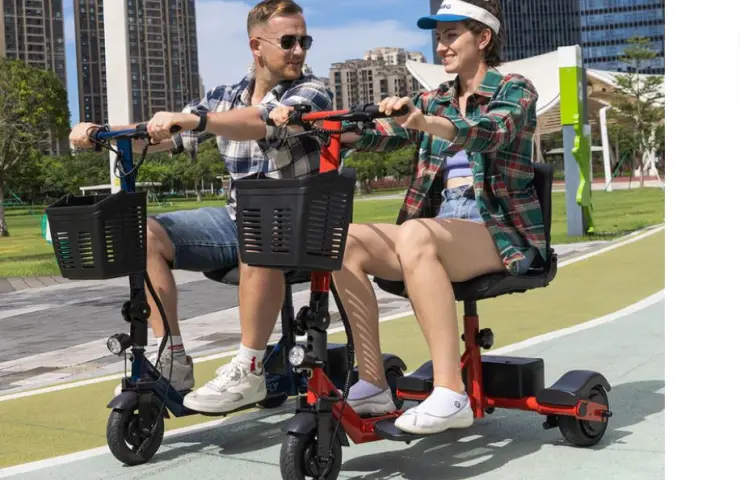
An all terrain mobility scooter is designed for adults who need more confidence outdoors than a basic indoor scooter can provide. The right model should handle sidewalks, driveways, parks, compact gravel, and short dry grass while keeping the rider stable and comfortable. However, not every outdoor scooter is truly suitable for rough ground. Before buying, compare tires, ground clearance, suspension, motor strength, battery range, stability, seat comfort, and safety features.
Start With the Surfaces You Ride On
The most important question is where you will use the scooter most often. “All terrain” can mean different things depending on the brand, so think about your real daily routes.
If you mostly ride on smooth sidewalks, store entrances, parking lots, and paved paths, a mid-size outdoor scooter may be enough. If your route includes cracked pavement, compact gravel, grass, ramps, or uneven park paths, you need stronger outdoor features.
Short, dry grass and firm gravel are usually easier to manage than loose stones, wet grass, mud, or sand. Lightweight travel scooters often struggle on soft or slippery ground because they have smaller wheels, lower clearance, and less traction.
Choose based on your toughest regular surface, not the easiest one.
Choose Four-Wheel Stability for Outdoor Use
For outdoor riding, a 4-wheel mobility scooter is usually the better choice. Four wheels provide a wider base and a steadier feel, especially on uneven pavement or mild slopes.
A 3-wheel scooter may turn more easily indoors, but it can feel less stable outdoors. If your main goal is maneuverability inside stores or apartments, a compact 3-wheel model can work well. But if outdoor confidence matters most, a 4-wheel scooter is often safer and more comfortable.
Stability is not only about wheel count. Frame design, seat height, tire size, weight distribution, and rider position all affect how secure the scooter feels.
Look for Larger Tires and Better Traction
Tires are one of the biggest differences between a basic scooter and an all terrain mobility scooter. Larger tires roll over bumps more easily and help reduce the risk of getting stuck on small obstacles.
Tread pattern also matters. Smooth tires may work well indoors, but outdoor paths need more grip. For grass, gravel, and uneven pavement, tires with better tread can improve traction and control.
Pneumatic tires may feel smoother because they absorb some vibration, but they require more maintenance. Solid tires reduce puncture concerns, but they may feel firmer on rough ground. The best choice depends on whether you care more about comfort or low maintenance.
Check Ground Clearance and Suspension
Ground clearance is the space between the bottom of the scooter and the ground. If clearance is too low, the scooter may scrape on bumps, uneven paths, thresholds, or outdoor transitions.
Suspension is also important for comfort. Without suspension, rough surfaces can feel harsh on the back, hips, knees, and hands. A scooter with better shock absorption can make outdoor rides smoother and less tiring.
If you plan to ride mainly on paved sidewalks, basic suspension may be enough. If your route includes uneven paths or bumpy surfaces, suspension becomes much more important.
Compare Battery Range Realistically
Battery range can drop when riding outdoors. Grass, gravel, hills, rider weight, wind, and frequent stopping all make the scooter work harder. That means the real-world range may be lower than the advertised number.
If your usual ride is 6 miles, avoid choosing a scooter with only 6 miles of listed range. Give yourself extra battery margin so you can ride without worrying about getting home.
Also consider charging convenience. Some models have removable batteries, which can make charging easier if you store the scooter away from an outlet.
Pay Attention to Weight Capacity
Weight capacity affects performance, stability, braking, and range. Your scooter should support the rider comfortably, plus any bags, groceries, oxygen equipment, or personal items.
Using a scooter too close to its maximum weight limit can reduce performance and make outdoor riding less secure. Choose a model with enough capacity for your actual daily load, not just body weight.
A stronger frame may weigh more, but for outdoor use, durability and stability are often worth the tradeoff.
Comfort Matters Outdoors
Outdoor rides are usually longer and bumpier than indoor trips, so comfort matters. Look at seat width, back support, armrests, legroom, tiller adjustment, and how easy it is to get on and off.
A supportive seat helps reduce fatigue. Adjustable controls can make steering easier for riders with limited hand strength, shoulder discomfort, or arthritis.
The scooter should