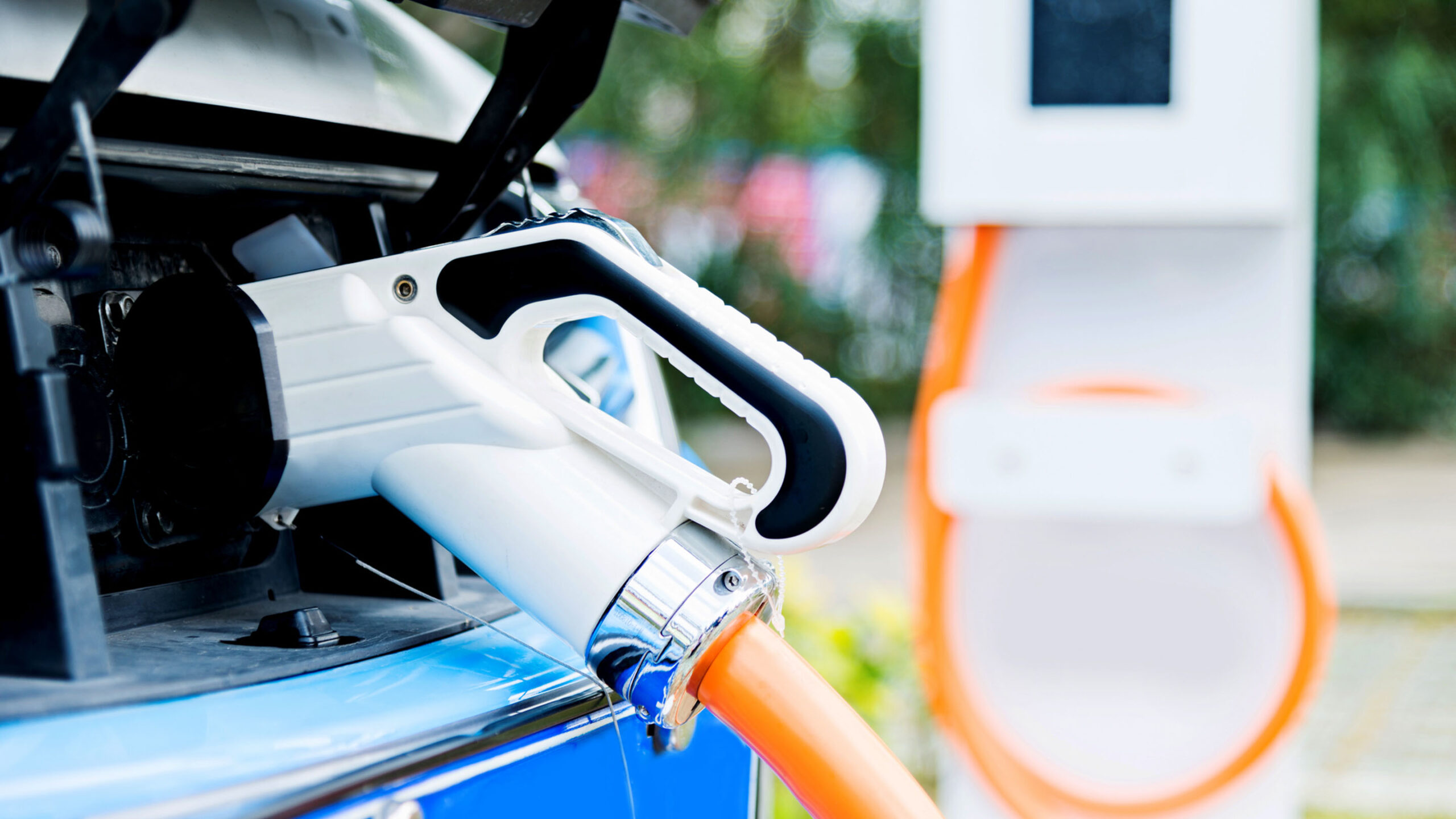
The EU plans to require electric vehicle manufacturers receiving government support to supply 70% of the components for their vehicles from the trading bloc countries. This will apply to 25% of low-carbon aluminum products, while for steel, the requirement will focus on meeting the 25% low-carbon threshold without complying with the rules of origin, Fastmarkets reported on Wednesday, February 18.
The Industrial Acceleration Act (IAA), which will establish these requirements, will be part of the broader EU "Made in Europe" strategy, which aimed to strengthen strategic autonomy by reducing external dependence in critical manufacturing sectors.
The automotive sector uses a wide range of raw materials, and the supply chains of modern electric or hybrid vehicles include various ferrous and non-ferrous metal materials, as well as batteries.
In recent years, the EU has been trying to promote the industry while adhering to its strict zero-carbon regulations, despite the fact that the automotive industry depends on China to process essential minerals for batteries.
This has resulted in a number of policy measures. One of them is the "made in Europe" scheme, aimed at stimulating demand, while the ResourceEU and CRMA mechanisms were aimed at diversifying the supply of critical raw materials such as lithium, graphite and cobalt for batteries.
There are no improvements yet: the purchasing managers' index for the Eurozone manufacturing industry in January 2026 was 49.5, which is below the threshold of 50 points, indicating that European business is still declining due to weak demand and production.
The local EU battery industry has also recently sought additional support for the development of an independent European battery supply chain, while gigafactories plans have been cancelled.
"This is not a trial period: automotive suppliers have announced the reduction of more than 100,000 jobs from 2024," said Benjamin Krieger, secretary of the European Automotive Suppliers Association (CLEPA).
The initial versions of the law focused on steel, suggesting that government procurement and government assistance for steel production should include low carbon emissions and its origin from the EU. But the changes to the law introduced in the week ending February 13 represent a significant shift, relaxing the "made in the EU" rules and allowing some third countries to be equated with EU manufacturers in public procurement.