According to Tommaso Sandrini, president of Assofermet Acciai, an association of Italian steel production service centers, the European steel distribution sector is in a stable but structurally weaker market, and demand in the secondary market is 10-15% below historical levels.
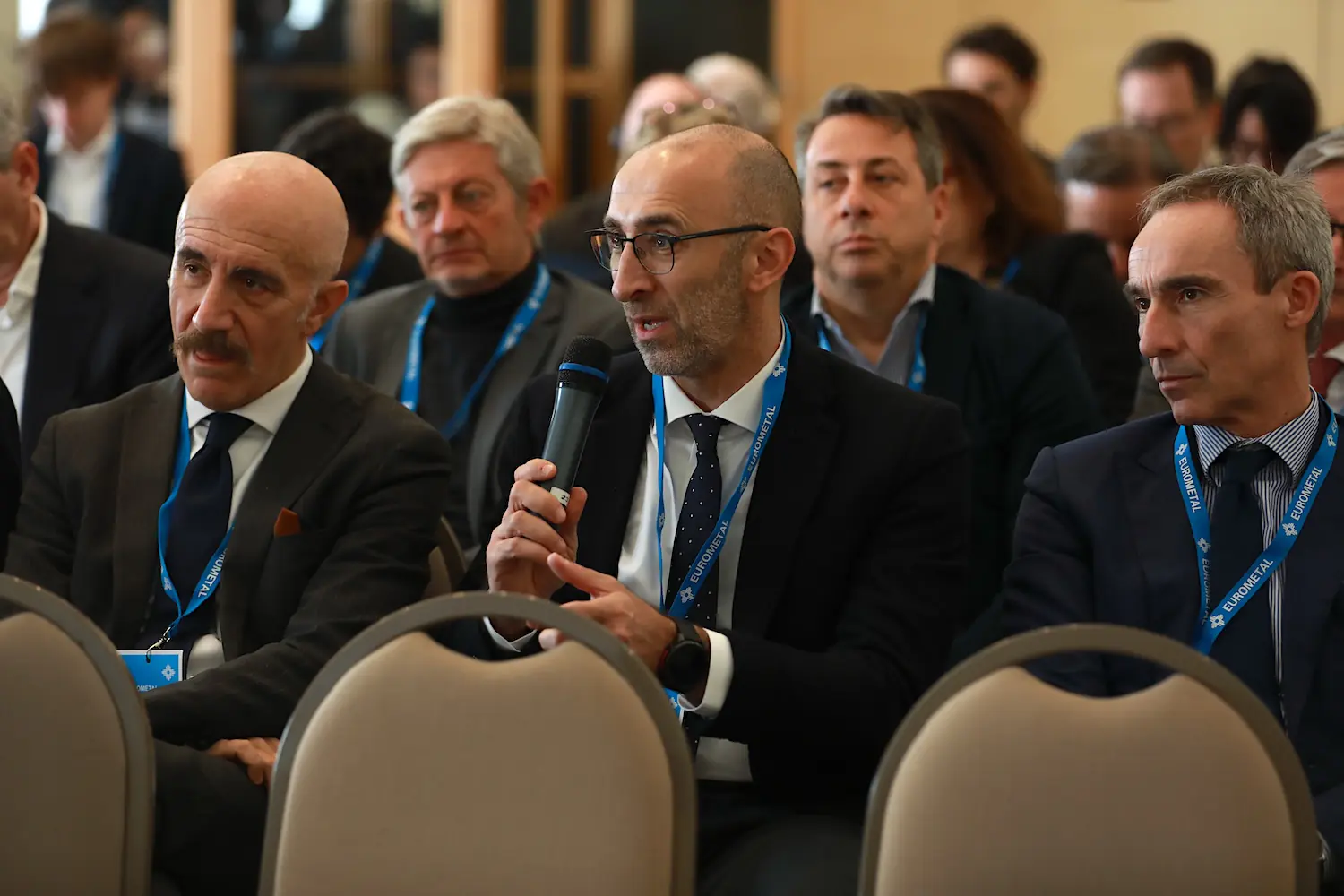
Speaking to S&P Global Energy on the sidelines of the Eurometal event held in Milan on February 26, Sandrini, who is also a member of the board of Eurometal and CEO of the Italian manufacturer and distributor of metal products San Polo Lamiere, said that consumption volumes have not changed compared to 2024 but remained significantly lower than in 2020.
"We are not seeing any special changes — just an increase in consumption, with some threats in specific sectors, primarily in the automotive industry, which, as I see it, is in very poor condition," he said.
In particular, Sandrini said that the automotive sector is experiencing the greatest difficulties among the main consumers of steel, and European players are suffering from an inadequate approach to the transition to electric vehicles, while there is no clear solution to the problem of incompatibility between the goals of sustainable development and the survival of industry.
Political uncertainty is growing
Regarding the proposal, Sandrini said that 2025 will mark a sharp gap between two decades of free trade, when protectionist measures can be justified by unfair competition, in particular China's subsidy system. However, he sharply criticized the implementation of the EU carbon border regulation mechanism and protective measures.
"The main problem is a complete lack of clarity," Sandrini said of the CBAM, which has been applied to imports since January 2026. "We don't know the rules, values, parties involved, or emission certification methodologies that non-EU steel mills will have to follow."
Certification authorities are expected to be announced in September, but Sandrini said that most of the imports produced since January 1, 2026, most likely will not receive certification until 2027, forcing them to return to their default values. "The default prices are apocalyptic," he said on the sidelines of the conference, calling CBAM costs of 650 euros per ton ($766 per ton) for some countries "manipulated data without a clear technical or industrial justification."
Sandrini said distributors are currently taking on risks they cannot calculate, creating huge uncertainty. He also criticized the lack of clarity in the allocation of protective quotas at the end of February, saying that key elements should already be