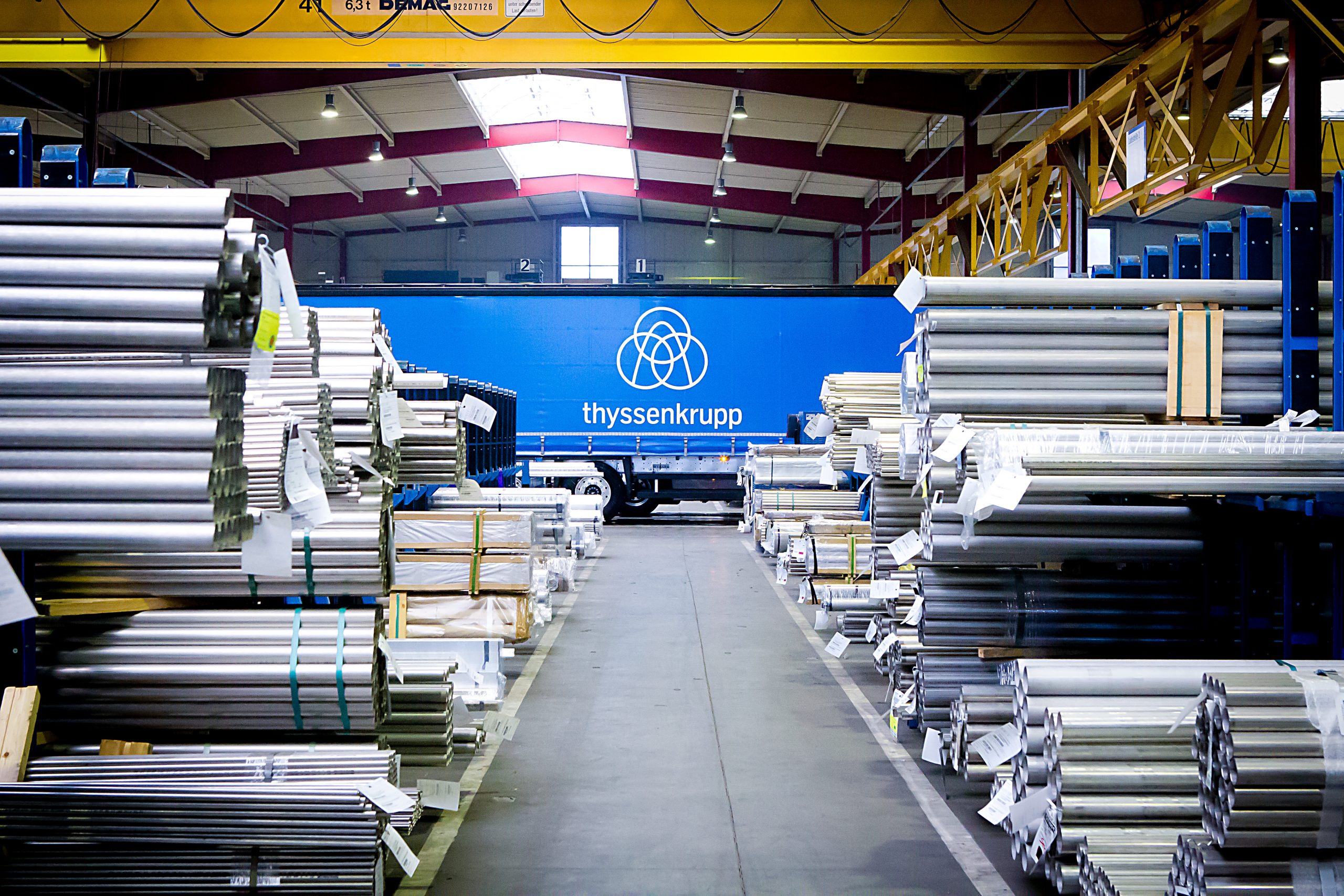
Germany's thyssenkrupp and Jindal Steel International have mutually decided to suspend negotiations on the Indian company's acquisition of a stake in thyssenkrupp's steel division, which both groups announced over the weekend.
"Initial assumptions and prerequisites for a potential sale of thyssenkrupp Steel have changed significantly in recent months," the German concern said in a statement sent to Kallanish. This refers to the progress the company has made in reorganizing its steel segment, for example, through a collective restructuring agreement concluded with union IG Metall.
The self-confidence expressed in the press release is likely to be further explained by changes in the regulatory framework for steel producers in Europe, which has "changed significantly, becoming fundamentally more favorable," the firm notes.
Thyssenkrupp welcomes the fact that policy makers are increasingly addressing the challenges facing the steel industry, especially with regard to trade protection measures against unfair competition and global overcapacity.
"The conditions for thyssenkrupp Steel's continued profitable operations are better now than at any time in a long time," says thyssenkrupp AG CEO Miguel Lopez. Thyssenkrupp says it will continue to manage its metallurgical division "independently" in order to prepare it for a possible listing on the stock market.
Although the group does not explicitly state this, the strategy outlined in the statement appears to reject the idea of finding another partner or buyer for the steel division. This can be considered a signal for the American investment fund Flacks Group, which is negotiating the acquisition of Acciaierie d'Italia. In March, it became known that Flacks had suggested that it would consider an offer to buy thyssenkrupp Steel Europe if negotiations with Jindal failed (see Kallanish passim).
In a response statement, union IG Metall demands to express its opinion when discussing the future of the steel division. Regarding the cautious tone used by thyssenkrupp and Jindal due to the fact that they "suspended" negotiations, the union asks for a clear conclusion to the negotiations, "without leaving the back door open."
IG Metall warns that the lack of security during lengthy negotiations leads to stress for employees.
Author: Christian Kel
Kallanish.com