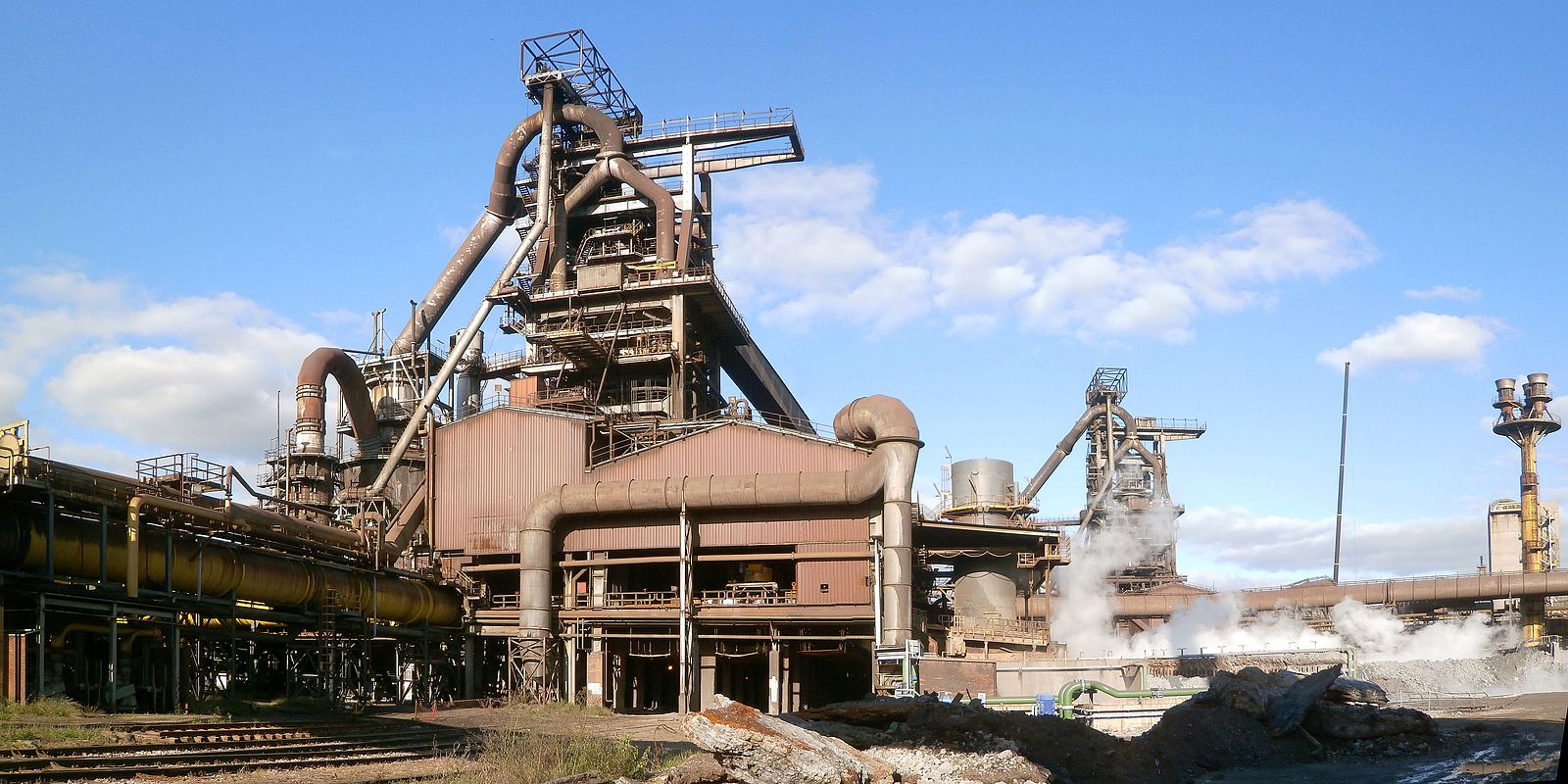
Luxembourg-based metallurgical company ArcelorMittal has resumed operation of blast furnace A at its plant in Gijon in northern Spain after two days of downtime caused by a steam incident on September 9.
The company reported that the cause of the incident was a burst water pipe, after which steam was released. According to the preliminary version, water and steam could be blocked in the beam of the structure supporting the floor of the tuyere platform.
ArcelorMittal clarified that no one was injured as a result, and the damage to the supporting elements of the platform was minor.
There is no damage on the platform itself.
The oven is currently operating normally. The company also stated that the incident did not affect either supplies to customers or the operation of the plant as a whole. Blast furnace B continued to function during the entire period of downtime.
The resumption of furnace operation is taking place against the background of increasing pressure on the traditional steel industry in Europe. Earlier in September, ArcelorMittal announced plans to cease primary steel smelting at its Duisburg plant in Germany by the end of 2027. The company attributed this to lower demand, low capacity utilization, limited export opportunities and high electricity prices.
ArcelorMittal also announced that it will close its steel production and rolling mill, switching production to new technologies. At the same time, several alternatives were considered, including new pig iron supply chains and steel production in electric arc furnaces, but none of the options was considered economically feasible.
A recent PricewaterhouseCoopers study showed that traditional blast furnace—oxygen converter steel production in Europe could become economically unprofitable by 2040. Analysts cite the reasons for the increase in carbon emissions costs within the framework of the EU quota trading system and the carbon regulation mechanism at the border, which reflects the growing difficulties for large steel producers in the region.
Fastmarkets' weekly estimate for domestic steel wire rod supplied to Southern Europe as of September 9 was 660-680 euros per ton, unchanged from the previous week.