Stainless steel market participants that have adapted to tariff-related trade disruptions will face further supply chain disruption in 2025 as a result of conflict in the Middle East.
In Europe and the United States, increased transportation costs and increased delivery times are expected to further limit import competitiveness, adding to the price pressures already exerted by EU CBAM taxes and 50% Section 232 tariffs.
Asian manufacturers, including South Korea's Posco and India's Jindal Stainless, suspended their export offerings after the U.
S.-Israeli offensive on February 28 prompted Iran to close the Strait of Hormuz. The closure of the sea route, through which 20% of the world's gas and oil supplies pass, has led to a sharp increase in the costs of steel companies.
- This article first appeared in the March issue of the MEPS International Stainless Steel Review. The publication provides information on market conditions, stainless steel prices, indices and forecasts in key markets in Europe, Asia and North America. Contact the members of the European Parliament for detailed information on how to subscribe.
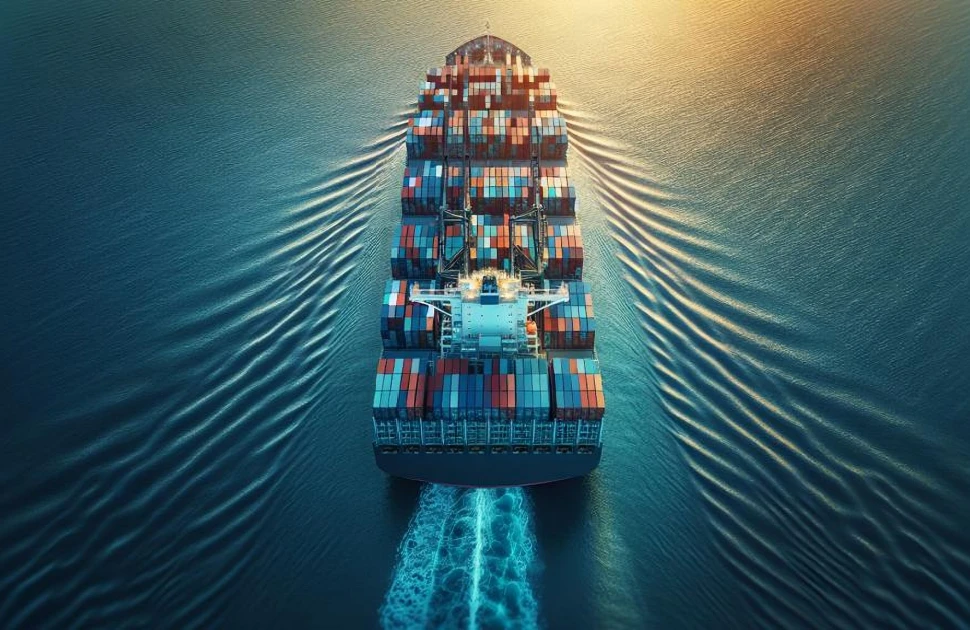
Exports were halted due to a sharp increase in insurance premiums for marine insurance, and shipping companies thought about the consequences of withdrawing ships from the Middle East. The detour around the South African Cape of Good Hope is 3500-4000 miles, 10 to 14 days on the way and significant expenses. In the week to March 26, the Drewry Global Container Index showed that spot rates on the Shanghai-Rotterdam sea route rose to $2,552 per 40–foot container, up almost 24.4% from March 5.
Military training camps and lack of electricity
Asian stainless steel producers are particularly vulnerable to increased energy costs and potential shortages as a result of the conflict in the Middle East.
As recently reported in the International Steel Survey prepared by MEPs, in 2025, 50% of Taiwan's electricity will be generated by liquefied natural gas (LNG), which corresponds to 27% of South Korea's energy needs and 20% of Japan's energy needs
According to the International Energy Agency, Qatar is the main source of LNG in Asia. It accounts for more than a quarter of the region's imports. On March 2, LNG production in Qatar was suspended. In addition, the damage caused by the Iranian attacks will lead to a reduction in production of about 17% over a period of about five years.
European respondents interviewed by MEPs warn export customers about supply delays, and also report that Indian stainless steel factories