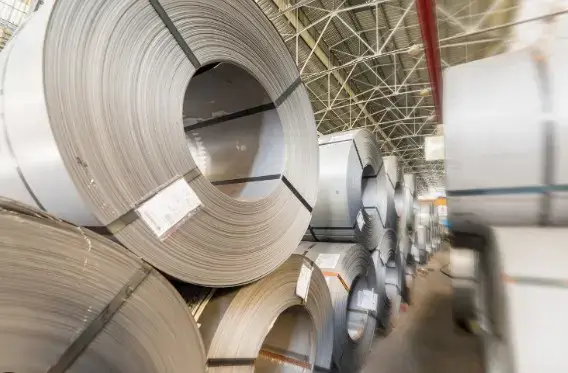
India's quota for hot-rolled coils (HRC), set by the EU in October-December, can be filled quickly as large factories increase sales to the bloc following the introduction of new import measures on July 1, market participants said.
It is expected that after the introduction of new quotas in October, at least 100,000 tons of Indian HRC will be passed through customs. According to market participants, importers from the EU have ordered between 125,000 and 200,000 tons of Indian HRC over the past few weeks, most of which will be shipped in July and August. Additional deals are currently being negotiated.
Under the new import regime, starting July 1, duty-free distribution of HRC in India was reduced by 34% to 149,319 tons per quarter under the new import regime, of which 68% had already been used, resulting in about 47,000 tons remaining available for use in the current quarter as of July 17
The quota pool under the Free Trade Agreement (FTTA), which is provided on a first-come, first-served basis, is expected to be primarily used by Turkey in the current quarter, but may become available to India in the next quarter.
Indian factories are aiming for faster deliveries to reduce some volumes in the current quarter.
But suppliers are now striving to replenish stocks for October-December and may even slightly exceed the quota, a source at an Indian steel mill said. Recent orders have been placed at a price of USD 630-650 per ton cfr in the EU.
India could then gain access to FTA quotas, although this remains uncertain, as it would likely face competition from Turkey, which also supplies significant volumes to the EU and benefits from shorter delivery times.
According to market participants, the EU provides a timely opportunity for Indian enterprises to export surpluses during the seasonally weak monsoon, when domestic demand is usually declining.
"Domestic prices in India are under pressure due to low demand," the trader said. "Vietnam is no longer attractive, and prices in the Middle East have also started to decline. So the only way out is to increase demand.actively place orders in the EU."
According to Argus weekly on July 17, India's internal HRC estimate for 2.5–4 mm thick material was 57,350 rupees/ton ($594). Decreased from a multi-year high of 59,000 rupees per ton, reached in early April.
According to one steel consumer, the sharp increase in shipments from India to the EU is "just a tactical step, not a steady trend."
Market participants said that this export window may close soon, as buyers from the EU are beginning to fear a reduction in quotas for October-December, and the trade


