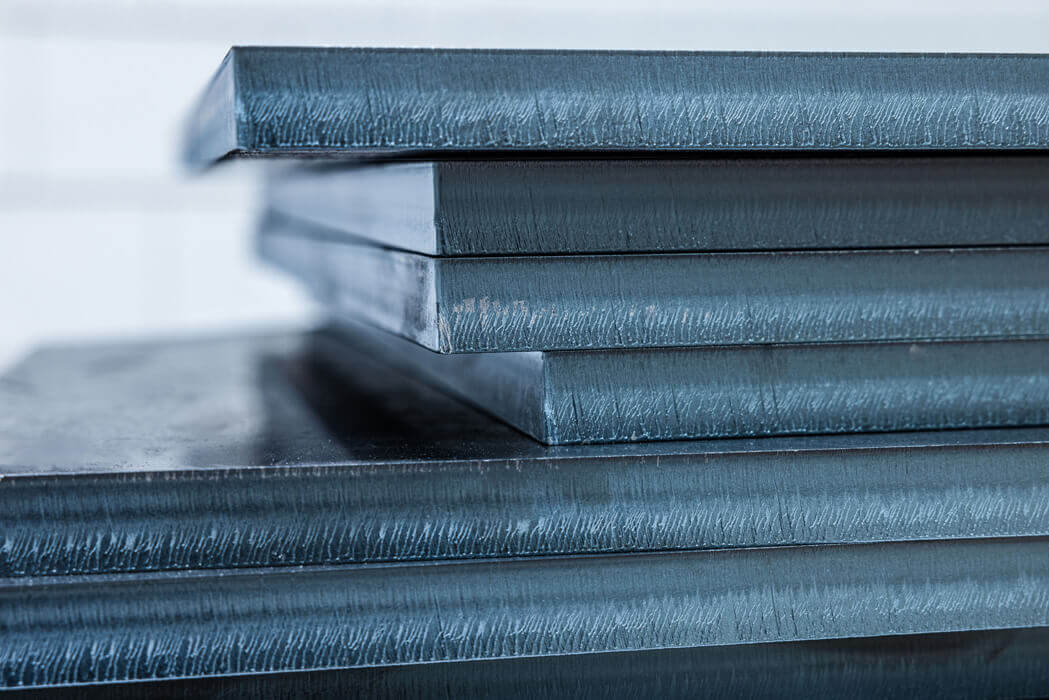
The European Parliament's Committee on Environment, Climate and Food Safety (ENVI) has supported the expansion of the European Union's Carbon Dioxide Emissions Regulation Mechanism (CBAM) to cover steel and aluminum products, including fasteners, wire, springs and household items. The Committee adopted its opinion on the proposed amendments to the CBAM by 56 votes in favor, 11 against and 12 abstentions. He also approved his opinion on the proposed Temporary Decarbonization Fund (TDF), which is designed to support the industry's transition to a low-carbon approach, with 59 votes in favor, 16 against, and six abstentions. The committee suggested strengthening anti-circumvention rules so that companies cannot make minor changes to goods to avoid CBAM obligations. MEPs also supported giving the European Commission the authority to apply default values for the actual country of origin in cases of circumvention. The Commission's proposed safeguard mechanism, which would have temporarily excluded certain products from CBAM in the event of price shocks, was rejected. Instead, the committee proposed a mechanism that would temporarily redirect CBAM revenues to the affected sectors. The Committee also proposed new rules for online imports, including the introduction of seller-specific weight thresholds, new reporting requirements, and retroactive liability for shipments artificially divided so that they remain below the threshold. While supporting a simplified reporting system and technical assistance to least developed countries, the committee rejected the Commission's proposal that carbon credits issued under article 6 of the Paris Agreement be taken into account when fulfilling CBAM obligations. The Decarbonization Fund will be expanded. The Committee proposed extending support from the Interim Decarbonization Fund for the period 2027-2029, rather than starting only in 2028, as originally proposed by the Commission. It is also called a special fund to cover the costs of fertilizer producers and other consumers suffering from carbon dioxide emissions, with the addition of urea, ammonium nitrate and ammonium sulfate to the list of permitted products. MEPs also proposed that all processing industries using CBAM-protected products in their production processes should be eligible to receive support from the fund. They also suggested that all remaining fund revenues should be used to fulfill the EU's international commitments to finance climate change under the Paris Agreement, rather than redistributed between member states. The next step is in September
The European Parliament supports the extension of CBAM to steel products processing