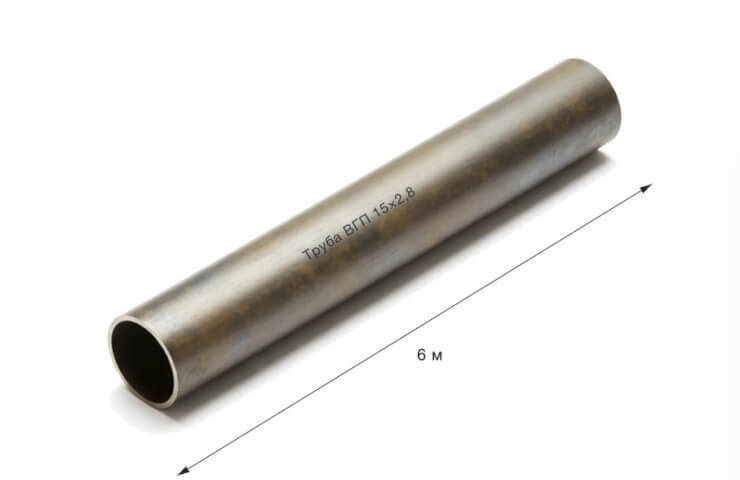
It would seem that it was difficult to take and buy metal. I found it cheaper, ordered it, and it was delivered. But in practice, everything turns out to be a little more interesting. Especially if you are not a supplier with ten years of experience, but an engineer or supervisor who just needs to close an order.
The rolled metal market in St. Petersburg is large. And it's easy to get lost in this big market. Prices are running high, availability is changing every hour, and documents are generally a separate story. Let's talk about what is really worth paying attention to, so as not to overpay and not wait for weeks.
Stock availability — don't take my word for it
The most common scenario: you are told "it is in stock," you pay, and a day later it turns out that the metal has not arrived yet, it is "on the way" or "it will be tomorrow." Is this a familiar situation?
Therefore, the first question to ask the supplier is where exactly the metal is stored and whether it can be viewed.
In InvestMet trading house, for example, metal is stored in its own covered warehouse in the city — 6,840 m2, more than 10,000 items. This is not a storage shed, but a heated room with crane beams for loading. Metal does not rust, does not condense, and does not lie in the open. And this directly affects the quality.
What to do: if you are told "available", specify the warehouse address. If the warehouse is located outside the city, in an industrial area, without normal coverage, there is reason to think.
Documents and certificates are not just pieces of paper
The second point that is often overlooked is documents. Especially if you work with VAT or participate in public procurement.
A normal supplier should give:
• PD (Universal transfer document)
• TORG-12 (bill of lading)
• Invoice with VAT
• Quality certificates for each batch
And give it on the day of shipment, not "in a week, we'll mail it."
InvestMet Trading house even has a separate form on its website — you enter the UPD number, and they send you a PDF certificate within a minute. It's a small thing, but it's nice — no need to pull the manager, no need to wait, no need to remind.
What to do: before ordering, specify how the workflow works. If a supplier works without an EDI or cannot promptly issue a certificate, this is a red flag.
Price and price list — keep your eyes open
Metal prices are going up in 2026. And it's not just about stock quotes, but also about how many intermediaries are sitting between the plant and you.
One sells for 56,000 rubles/ton, the other for 98,000 rubles/ton. The difference is almost two times. And both claim that they have the "best prices."
How can I check this?
• Ask where the metal comes from. Direct deliveries from factories (NLMK, Severstal, TMK, OMK, MMK) —


