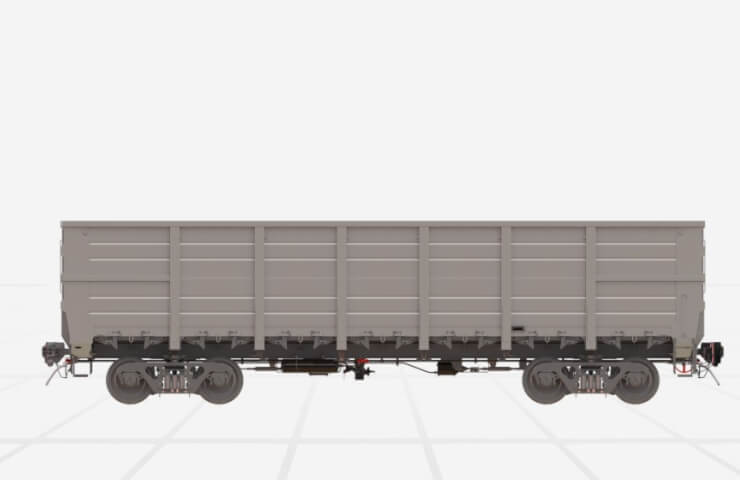
Gondola car
The efficiency of the operation of specialized rolling stock for the transportation of bulk and bulk cargoes is determined by the ability to adapt technical solutions and operational practices to the specific conditions of regions where climatic, geographical and infrastructural factors dictate unique requirements for reliability, safety and economic feasibility of transport operations.
Modern approaches to the regional adaptation of gondola cars integrate engineering innovations, management techniques and local knowledge to create sustainable logistics solutions. To get acquainted with the technical solutions and the possibilities of purchasing specialized rolling stock, it is recommended to study the range of gondola cars presented in the specialized catalog.
Climate adaptation: technical solutions for extreme conditions
The operation of gondola cars in various climatic zones requires specific design solutions that ensure the reliability of the equipment and the safety of cargo at extreme temperatures, humidity and other natural factors.
For example, gondola cars for operation in Yakutia are equipped with an electric heating system for unloading hatches and frost-resistant seals made of silicone materials, which ensures regular unloading of coal at temperatures up to -50 degrees without the risk of freezing cargo.
Another example is the use of a multilayer zinc—coated anti-corrosion coating for gondola cars operating in port areas with high air salinity, which increases the service life of the body by 30-40 percent compared to standard protection.
"Climate adaptation is not an additional option, but a necessity: each region dictates its own requirements, and ignoring these requirements leads to increased risks and operating costs."
Integration with industrial infrastructure and terminal operations
The efficiency of using gondola cars is largely determined by the quality of their integration with the loading and unloading complexes of industrial enterprises and logistics terminals.
For example, the introduction of gondola cars with reinforced hatches compatible with rotary dump trucks at the coal terminal reduced the unloading time of one car from 8 to 3 minutes, which significantly increased the capacity of the facility.
Another example is the integration of data on the loading of gondolas with the elevator control system, which allows you to automatically create optimal schedules for the arrival of trains, minimizing waiting on access roads and reducing downtime by 25 percent.