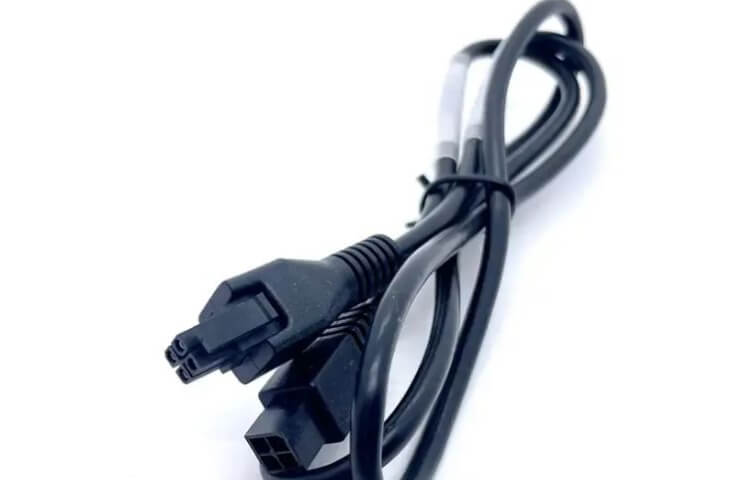
Car Wire Harness Manufacturers: B2B Supplier Checklist
Buyers get a better result when they translate the product name into a clear application brief before requesting samples or quotations. The goal is to understand how the connection choice affects installation, assembly, inspection, and future procurement. For electronics connector projects, the important question is not simply which item appears to match the name. It is whether the chosen connection approach fits the equipment, the assembly sequence, the available space, and the purchasing process that will support the finished product.
Define the application before comparing options
Begin by separating must-have requirements from preferences. Electrical interface, mechanical envelope, mating direction, and assembly method belong in the must-have list. Appearance, packaging style, or a preferred finish can be reviewed later. This order prevents a team from choosing a familiar-looking part before confirming that it supports the actual design and manufacturing process. This is especially useful when several teams are involved. Design staff may focus on the interface, while buyers need a clear description for quotation and quality teams need an objective basis for acceptance. A shared brief keeps those perspectives connected and makes later decisions easier to review.
When researching the market, buyers can use Soulin connector manufacturer as a relevant starting point for reviewing the available product route. The link should support the next practical question: whether the landing page, product family, or supplier information aligns with the intended use. It should not replace a check of dimensions, mating parts, assembly details, or sample performance in the actual project.
Use a repeatable comparison method
| Decision step | Practical output |
|---|---|
| Define the interface | A short written brief with the connection and installation context. |
| Review options | A comparison based on fit, assembly, access, and sourcing needs. |
| Approve samples | Documented checks for form, mating, handling, and packaging. |
| Plan reorders | Clear part identification, packing method, and communication path. |
A structured review is more useful than a long list of features because it exposes tradeoffs. For example, an option that is easy to source may still require a different termination method or a layout change. Another may fit the interface well but create challenges for inspection or service access. The right comparison method brings these points into the open before the order is placed.
Questions that keep the project on track
- Confirm the connection point and the equipment it serves.
- Confirm physical space, orientation, and access for assembly.
- Confirm mating, termination, and handling requirements.
- Confirm sample checks and the evidence needed for approval.
- Confirm supplier communication, packing, and reorder control.
These questions work across early design, prototype, and repeat-order stages. They also make supplier discussions more productive because each party can see what information is still missing. Rather than asking for a generic recommendation, the buyer can request a proposal against the actual application brief and then compare the response with the same decision criteria used internally.
Move from sample review to sourcing control
Samples are most useful when they are reviewed against a written checklist. Confirm the visible structure, mating behavior, pin arrangement, termination approach, and fit with the intended assembly. If a cable, board, enclosure, or mating part is available, use it during the review. Record observations in plain language and resolve open points before treating the sample as a production approval. The purpose is not to create unnecessary paperwork. It is to make the approved configuration understandable, so that a new team member or a later purchase order does not accidentally introduce a different assumption. This is particularly valuable when the connector is one part of a larger board, cable, enclosure, or equipment assembly.
It also helps to separate a technical approval from a commercial decision. Technical approval confirms that the proposed connection solution fits the intended use. Commercial review considers quantities, lead-time expectations, packing, communication, and continuity of supply. Keeping both checkpoints visible reduces the risk of approving a sample that is difficult to purchase or a quotation that does not fully reflect the approved sample.
Final takeaway
A disciplined comparison makes the project easier to manage. Define the application, review the connection and assembly route, verify samples, and document the approved result. That sequence gives both engineering and purchasing a practical path from an initial requirement to a dependable supply decision.