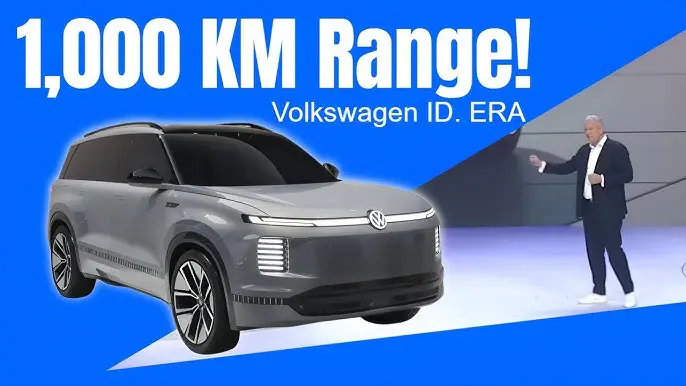
Automakers in Europe and North America are once again considering extended-range electric vehicles (EREV) as a lighter and cheaper alternative to battery-powered electric vehicles (BEVs), although questions remain about whether they are a practical transitional technology or an expensive departure from internal combustion engines, Automotive News reported.
EREVS, which are already gaining popularity in China thanks to brands such as Li Auto and Aito, use the internal combustion engine solely as a charging source when the battery is low, without a physical connection to the drive axle, which reduces weight, improves fuel economy, achieves a combined mileage of 900 to 1000 km and uses smaller batteries. which can reduce the cost of producing the powertrain by $6,000 compared to the BEV.
Currently, only Stellantis-backed Leapmotor models are available in Europe, while Volkswagen, Audi, Renault, BMW and the Ram brand from Stellantis are developing EREV offerings, including potential launches this year. However, EREVS manufactured in China face EU tariffs similar to BEV and barriers exceeding 100% in the US. Mercedes—Benz has abandoned the tests, citing high costs and limited short-term benefits, and critics warn that replacing the BEV with the EREV could slow down the transition to electric vehicles. Nevertheless, EREVS can offer low-emission compliance options after 2035 and can serve as a transition technology if consumer demand supports investment, despite the narrow development time frame and high platform costs.