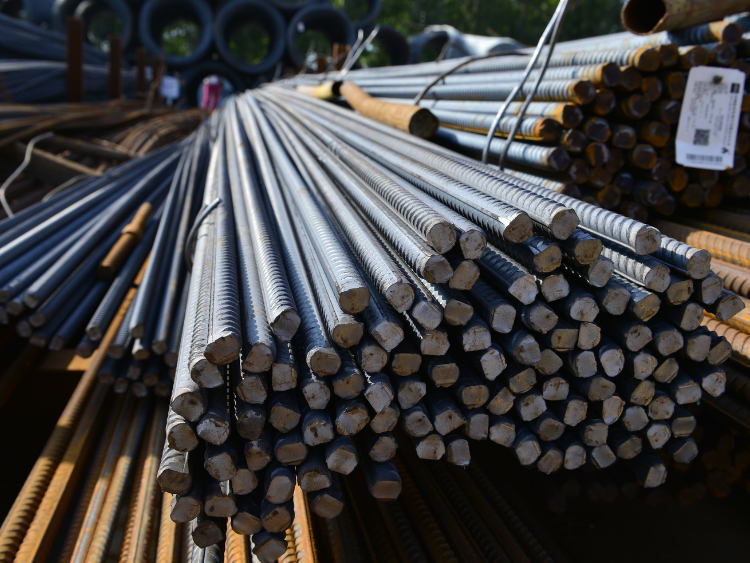
The recent change in rebar prices in Germany and Austria for additional sizes includes some notable changes, such as lower fees for some additional sizes.
In the new listings of the two plants, the additional size for straight rebar with a standard diameter of 12 mm was increased by 15 euros to 280 euros per ton (US$ 327). However, for rolled rebar, the price has been reduced by at least 10 euros at the Badische Stahlwerke, compared to the previous list from 2015. The cost of direct fittings and coils is now 280 euros.
"That's right, the direct fittings have been delivered, the rolls have been delivered," one major customer confirms to Callanish. He also points out the relatively high cost of a thin straight bar: the size of the winding on a coil with a diameter of 8 mm increased by 40 euros to 325 euros, while the coil of the same size remained at 300 euros.
In the case of Badische, the winding size on a coil with a diameter of 12 mm is 280 euros. It is now on a par with other factories; over the past ten years it has been 10 euros higher at 290 euros. So far, "Badische has charged more, citing higher quality," says the buyer, adding that "they're actually right about that."
Another manager shares this impression. He believes that Badishe wants to convince buyers who prefer direct rolling to buy non-coiled timber by setting new prices in favor of rolled timber. Rods of almost any length can be cut from the wound roll.
According to the manager, the re-editing process is more economical than storing bars of different sizes in a warehouse.: "You can easily save more space and inventory by increasing it from over 2,000 tons to about 1,000 tons, which also saves you hundreds of thousands of invested capital."
Other plants are not so good at handling rolled bars, because "you need the infrastructure, a good rectifier that will avoid defects in the process," he concludes.
Christian Kel Germany

Kallanish.com