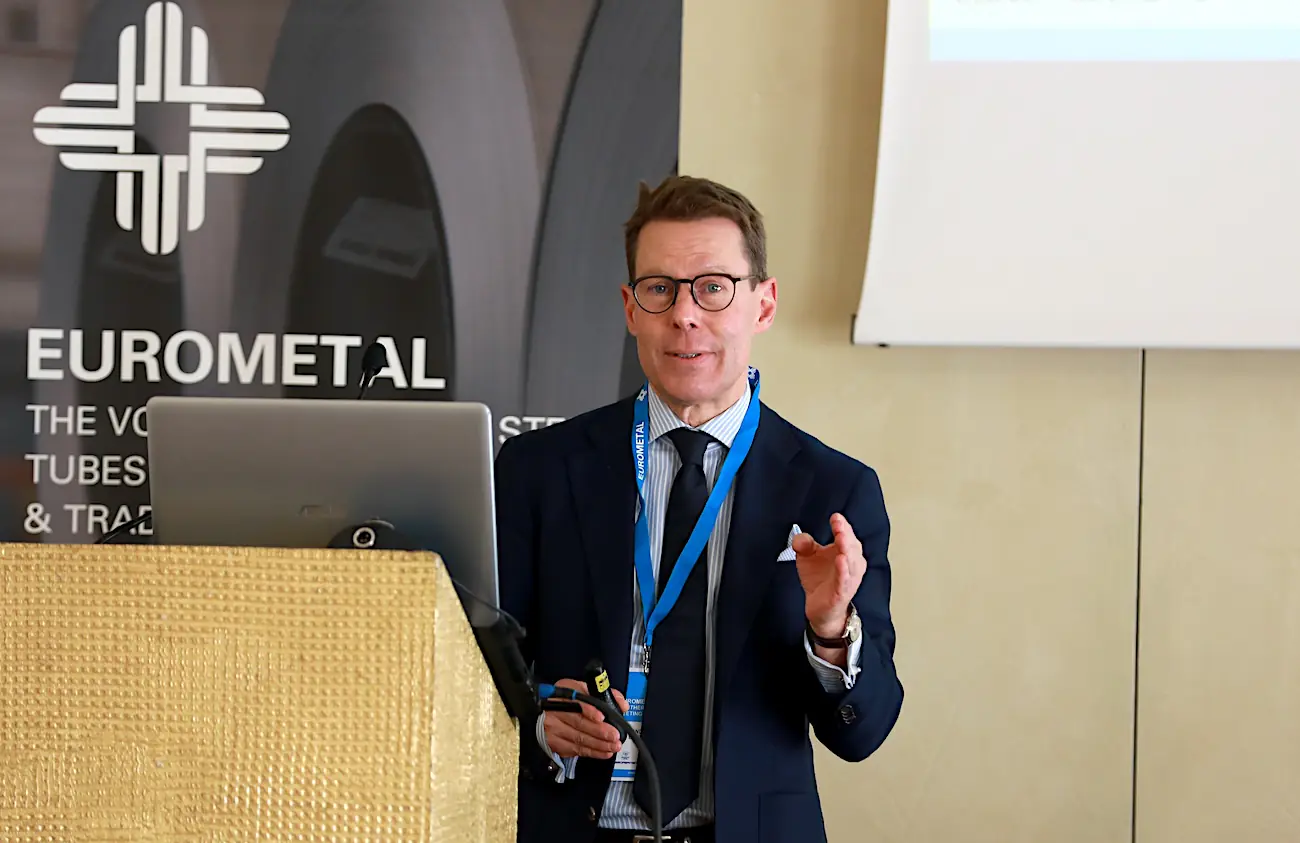
In 2026-28, before the planned extension of the carbon emissions Control Mechanism (CBAM) to steel-consuming products, there may be a significant risk to steel demand in the processing industry, participants in the European steel market said at the EUROMETAL & Assofermet meeting in Southern Europe, which took place today in Milan.
Participants suggested that the ongoing costs of CBAM are underestimated throughout the supply chain.
CBAM's annual margins on steel products effectively stimulate the import of finished steel products, said Piotr Sikorski, president of the Polish Steel Distributors Union. While CBAM is expected to start producing products for processing in 2028, steel surcharges will be in effect for the third year by then, potentially further enhancing the competitiveness of imports of metal derivatives.
To reduce the risk of declining demand, Eurofer has submitted to the EU a list of key HS codes for European-made products with a high steel content, as Argus understands. It is assumed that a quota system for secondary products will be introduced, similar to the existing guarantees for steel.
The main categories of goods that have been identified include automotive parts and specialized components for vehicles, some household appliances and parts used in mechanical engineering, as well as yellow-colored goods. The aim is to implement these safeguards to protect production in the EU even before CBAM production expands in 2028.
Meanwhile, a new version of the steel safeguards is expected to come into force in July, but participants warned that there are concerns about compliance with these requirements by the World Trade Organization during ongoing negotiations on free trade agreements with several countries based on their provision with certain quotas.
The speed of deindustrialization of production in the EU and the relocation of production remains the main problem, market participants said at the event. In response, EUROMETAL is preparing a pan-European initiative for joint action, President Alexander Julius said, calling for increased cooperation between national federations to present a united front.
Market sentiment remains subdued, with service centers reporting weak order receipts in February, in some cases 10-20% less than last year. Some service centers expect their dependence on imported materials to decrease over the course of the year. According to some estimates, imports may decrease to about 20% of the total consumption of rolled products, and the remaining 80% will be supplied to the EU. According to them, this marks