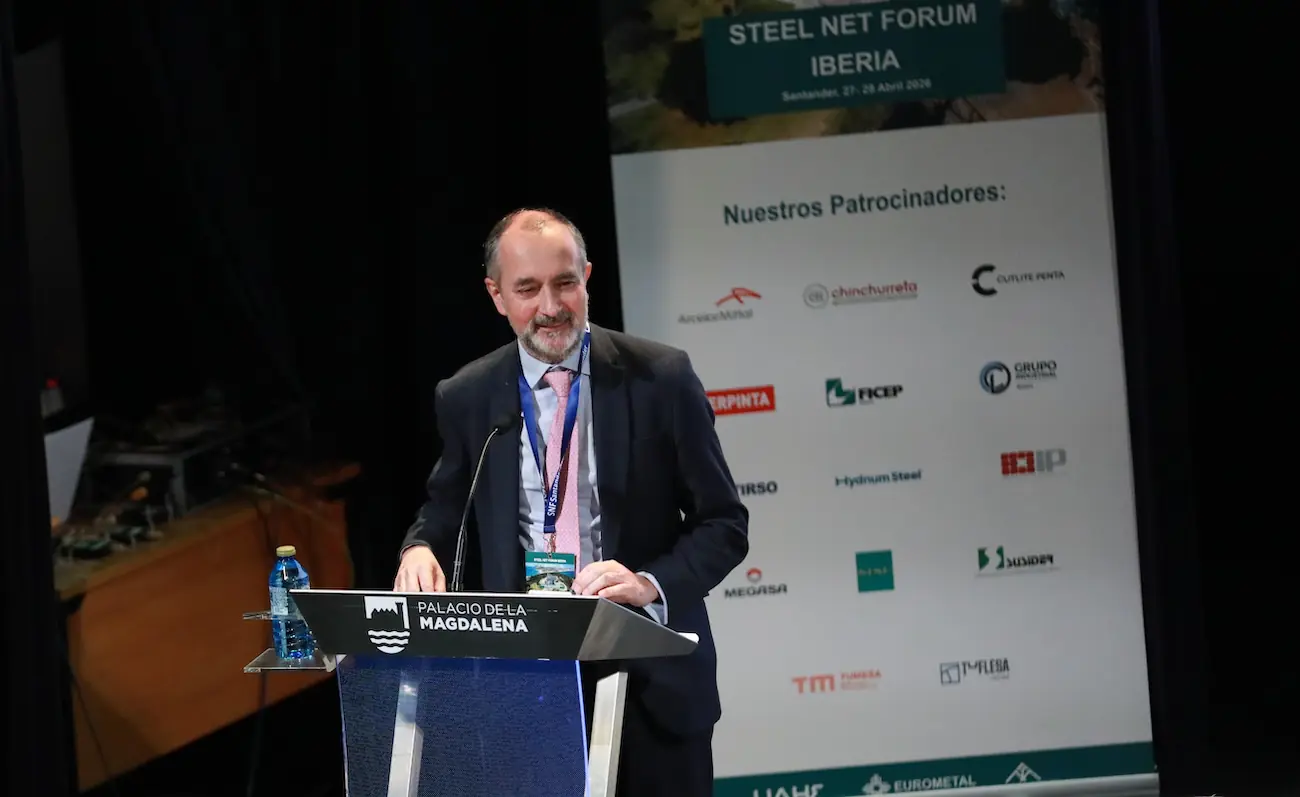
Representatives of the Iberian steel distributor expressed optimism about the implementation of CBAM and the upcoming introduction of a new EU trade protection measure. However, they remain cautious in the face of uncertainties related to the complexity of the legislative framework, Callanish said during the EUROMETAL Iberia Steel Net forum in Santander.
"We need to develop strategies to simplify the procedures for the accreditation of auditors under the CBAM mechanism," said Juan Ibanez Siles of the law firm Billion Palao Abogados. "We see that international accreditation will be conducted in close cooperation with national authorities and manufacturers. This will significantly speed up the process."
According to the participants, it is difficult to maintain two separate verification processes – one for manufacturers and the other for importers – so the goal is to simplify the system.
"Both sides are interested in setting up the verification process. The best solution would be for each manufacturer to carry out an on-site inspection. We also consider it necessary for the manufacturer to provide the importer with bank guarantees to ensure compliance with regulatory requirements," The layer notes. "CBAM will stay with us. It cannot be suspended. This is only possible in the fertilizer sector due to low competitiveness."
Lars Hillmann from the law firm Cattwyk said that the EU's measures to replace protective measures are aimed at protecting the industry in the long term and restoring its competitiveness. The legal framework is very broad and may cause concern in the short term, although this is a very good solution, since it does not have an expiration date, unlike the current guarantees, which are due to expire on July 1.
Distributors began to expect problems with orders that had already been placed, but should arrive after this date.
"There can be no legal consequences when goods are in transit, for example, for delivery in the second quarter, and therefore, according to the new trade rules, the law is clear and protections cannot be applied retrospectively," Hillman explained.
Another problem is related to the differences in the customs regime between EU countries, he continued. "In Spain, Portugal and Italy, importers can file a customs declaration, and then, depending on the result, withdraw part of it and, more importantly, the volume of goods that have passed customs clearance. This does not happen in other countries that find themselves in different circumstances," he said.
"I do not see a way to harmonize the customs regime. This is a problem that needs to be solved because all EU importers must have the same market conditions. But I'm not really sure if we can find a good overall proposal.