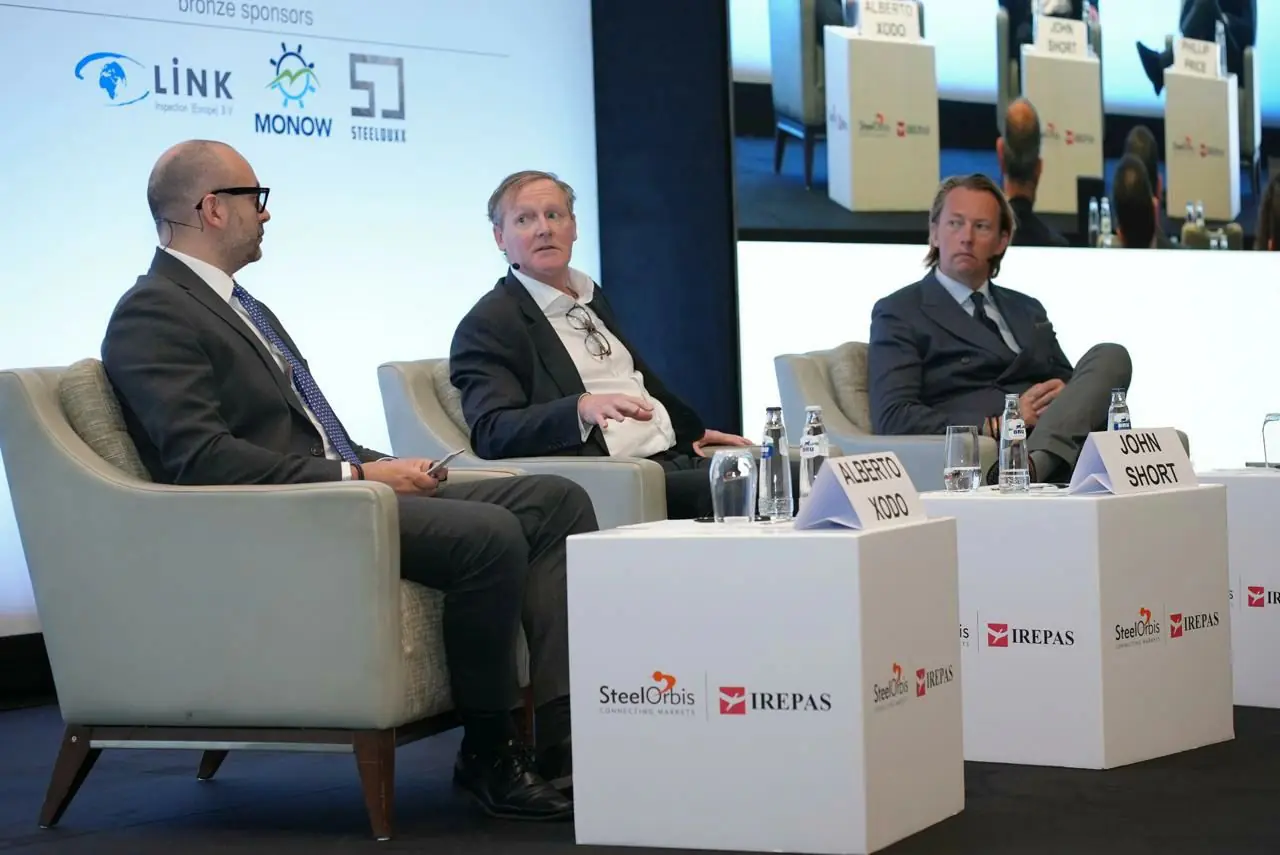
Plants with proven emissions data are expected to gain a competitive advantage as buyers will prefer suppliers with reliable carbon emissions data by 2027, as Callanish told the manufacturers' committee at the recent Irepas meeting in Amsterdam.
However, currently only a limited number of suppliers have been trained, especially in Japan and South Korea.
Trade policy remains the main concern of producers, as the EU's Carbon emissions regulation mechanism (CBAM) is not expected to lead to an immediate price change, while producers expect disruptions in the medium term.
Overall, despite relatively stable demand and pricing conditions, the outlook remains uncertain as energy prices, geopolitical changes, and regulatory pressure pose ongoing risks to the global steel sector.
Meanwhile, the global steel industry is under pressure from rising costs, weak economic growth, and regulatory complexity. Raw material prices have increased significantly, while limited opportunities to shift costs onto consumers' shoulders continue to reduce margins (see a separate article).
Demand remains volatile, with subdued economic growth in the regions limiting recovery, while energy markets are extremely unstable due to tensions in the Middle East, with no clear timeline for a settlement.
Logistical difficulties are compounding price pressures. Port congestion in the Middle East, limited availability of trucks, and rising transportation costs due to rising bunker fuel prices and shortages are increasing shipping costs.
Production disruptions in Iran also affected global shipments of semi-finished products: according to reports, about 10 million tons of production capacity were damaged, which is expected to take six to 12 months to recover, which contributed to an increase in exports of semi-finished products from China.
As for raw materials, their availability remains a structural limitation. European scrap-dependent manufacturers have limited flexibility in switching to alternative materials such as HBI due to high energy requirements, which implies minor changes in production routes in the near term.
Author: Elina Virchenko
Kallanish.com