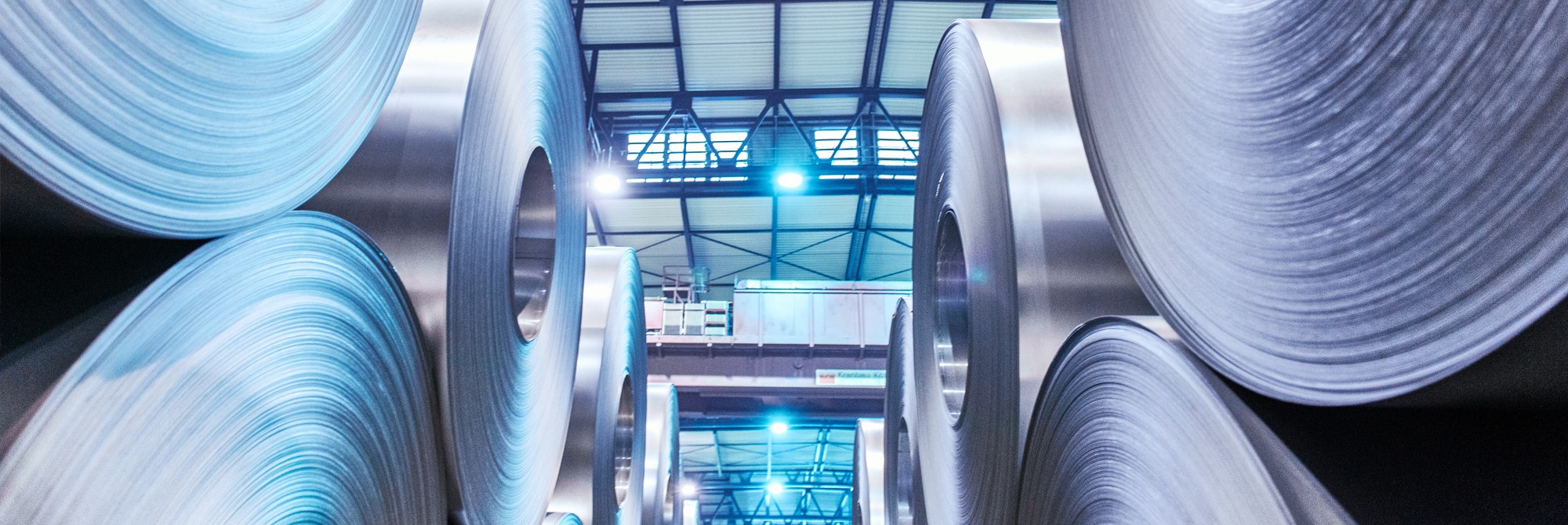
The recently signed trade agreement between Mexico and the European Union (EU) may signal a shift in steel trade towards the EU, but Mexican steelmakers will still prefer trade within North America, the steel producer told Fastmarkets.
Mexico and the EU signed the Upgraded Global Agreement (MGA) and the Interim Trade Agreement (ITA) on May 22 to "strengthen political dialogue and cooperation," according to a statement released by the EU. The volume of trade relations between Mexico and the EU currently stands at 100 billion euros ($117 billion) per year, the statement said.
"The modernization and signing of the trade agreement between the EU and Mexico is a positive development for the Mexican industrial sector as a whole," a source from among Mexican manufacturers told Fastmarkets. "[Having]greater access to trade and opportunities for diversification tend to favor long-term industrial growth."
While the trade deal will open up other opportunities for the Mexican steel industry,"[logistics], transportation costs, lead times, and existing regional integration in North America. The US, Mexico and Canada (USMCA) market will continue to be favorable for many types of steel products," the manufacturer said.
According to the Mexican Steel Trade Monitor agency, Mexico has exported 451.55 tons of steel to the EU since the beginning of 2026. Mexico mainly exports oil country (OCTG) pipe products to the EU, shipping 379.23 tons to the bloc this year, trade data show.
At the moment, Mexico has exported 160,000 tons of steel to the United States by 2026.
At the same time, Mexico imported 95,200 tons of steel from the EU, consisting mainly of cold-rolled coils and galvanized sheet. According to trade log, Mexico imported more than three times as many products from the United States in 2026.
"For the Mexican steel industry, the availability of additional commercial alternatives and closer trade links outside of North America can provide greater flexibility and stability," the manufacturer said, "especially during periods of market growth."* Uncertainty or tension in trade."
The Mexican steel market has faced a wave of uncertainty and volatility following the reintroduction of Article 232 steel tariffs that U.
S. President Donald Trump revised last year. Currently, Mexico imposes a 50% tax on steel and a 25% tax on cars and auto parts. The tariffs have led to a significant reduction in exports to the United States, Mexico's largest trading partner.
Despite the recently signed trade agreement, "The United States will remain