Steel production in Central and Eastern Europe has declined significantly over the past decade, but production continues, increasingly due to imported raw materials. According to Piotr Sikorski, president of the Polish Steel Distributors Union, this raises the important question of how much of the value chain in the steel industry remains in Europe.
According to the data he cited, steel production in Central and Eastern Europe decreased by more than 40% between 2015 and 2025, to 14.1 million tons. At the same time, the activity of end consumers in the region has not decreased so sharply: production in the automotive, mechanical engineering and construction industries continues to develop.
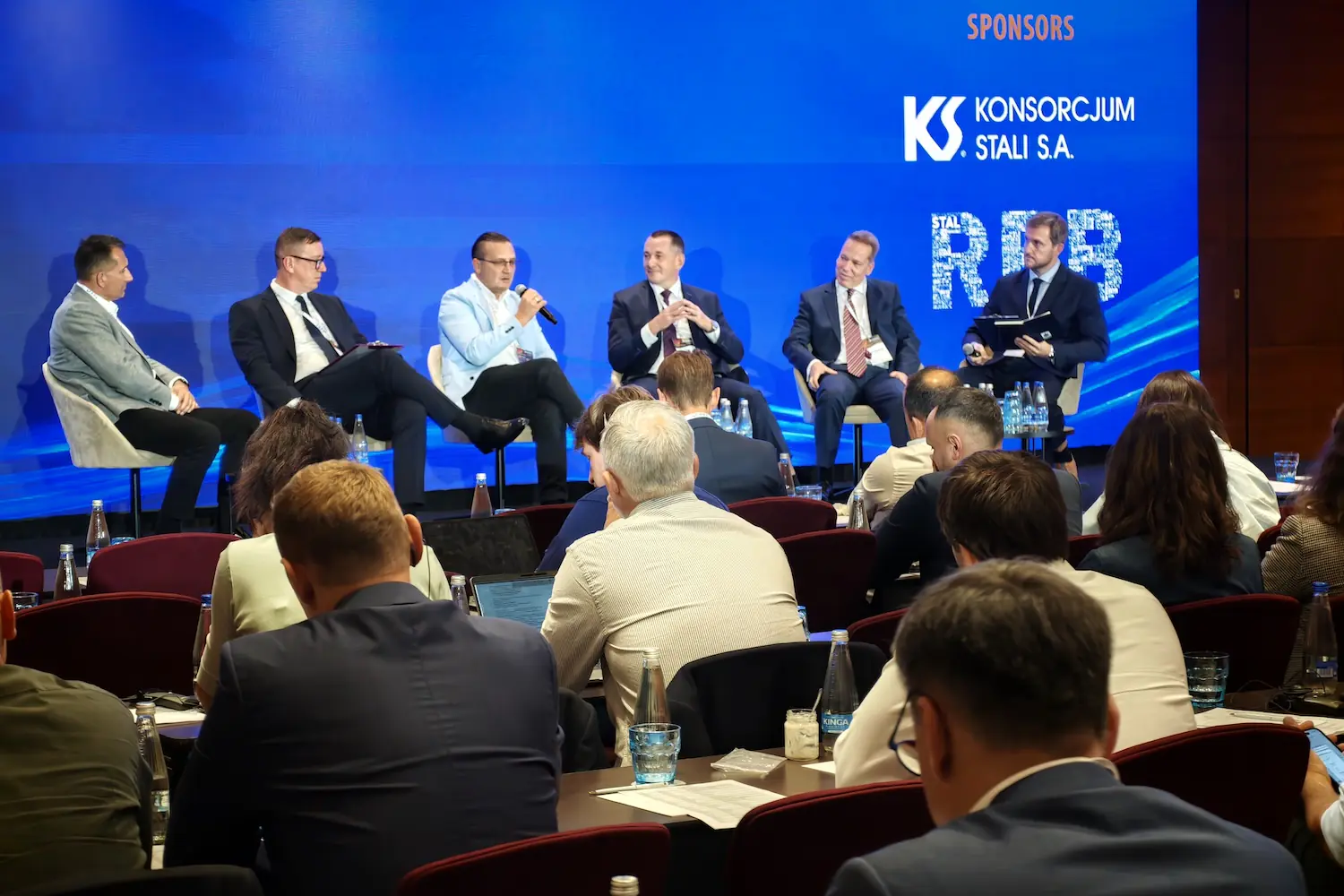
Sikorski spoke at the EUROMETAL regional conference on Central Europe in Warsaw, which was attended by Kallanish last week. He drew attention to the fact that a number of enterprises in the region that were previously part of the Liberty Group have already been saved or are still awaiting a decision on the future. "Who is ready to own, produce, finance and modernize the remaining capacities?" "What is it?" he asked himself. Otherwise, he added, it is necessary to understand where the steel will come from.
If we consider Poland, the Czech Republic, Slovakia, Hungary and Romania, then imports of finished carbon steel, including pipes, increased by almost 9 million tons over the decade to 2025 and reached 14.2 million tons. This means that the region has become significantly more dependent on external supplies. At the same time, 60% of the deficit growth was accounted for not by imports from outside the EU, but by trade within the union.
"If production is falling, if steel consumption is declining, and if we have actually cut imports, how can we maintain output?" asked Sikorsky. He also gave an example of the automotive industry in these five countries: imports of seven groups of automotive components increased by 17.5% between 2015 and 2025, while shipments from outside the EU doubled. At the same time, car production in the region increased by about 7% and reached 4.11 million units.
"We were busy importing steel to the EU, but it seems that we forgot that the threat could come from other countries," Sikorski said. According to him, the industrial base still exists, but the way steel and components enter the production process is changing. "Value chains are changing," he said.
He stressed that a decrease in steel output within Europe does not necessarily mean a reduction in final production. "The picture is becoming much more complicated because European production is increasingly dependent on external factors. Part of the production chain can go abroad, while the final plant remains in place," he explained.
Sikorsky also cited the example of Chinese automakers that are localizing production.


