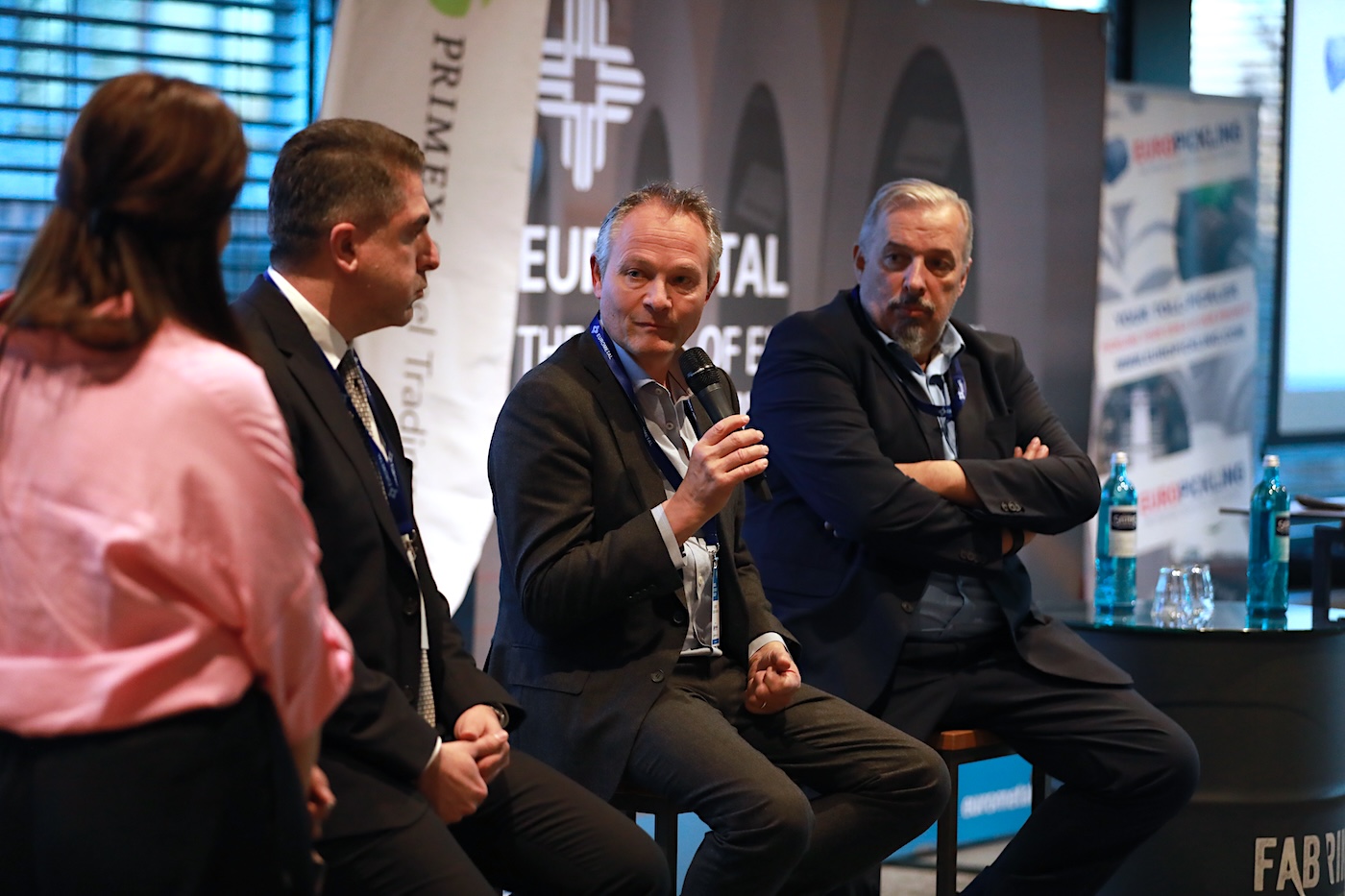
Import quota cuts and the introduction of the CBAM carbon mechanism are reshaping Europe’s steel trading and distribution market: procurement is becoming more expensive and riskier, and some companies may struggle to meet the new requirements. Financially resilient traders, however, could benefit by taking on risks that buyers are increasingly unwilling to assume. This was discussed by participants at the EUROMETAL Steel Trade Day conference, held on November 23–24.
Buyers are increasingly reluctant to import steel themselves and take responsibility for customs clearance, quotas and obligations under CBAM, the EU’s Carbon Border Adjustment Mechanism. Instead, they turn to experienced traders for DDP deliveries, under which the seller takes responsibility for delivery and the associated formalities. This model creates opportunities for large importers, but requires higher margins to compensate for the risks assumed.
Participants in the discussion described the unpredictability of quota use as a more immediate problem than CBAM. Import quotas have been halved, while the duty on out-of-quota shipments has risen from 25% to 50%. Distributors in Southern Europe are particularly vulnerable, as they have traditionally relied more heavily on imported steel.
As imports become more complicated, distributors are increasingly turning to European steel mills. But sourcing steel within the EU is also becoming more difficult. “Mill utilization is rising, and lead times will increase, although demand does not seem very strong,” said Erik Röf, CEO of Stemcor Flachstahl, at the discussion. Companies accustomed to buying steel abroad may face supply shortages.
European producers cannot fully replace imports across all product categories. Some types of flat steel with zinc coatings, for example, are in short supply: EU mills cannot always supply the required volumes at competitive prices. Imports will therefore remain important for certain products. Distributor networks affiliated with producers may also need to import steel if their parent companies do not manufacture the products they need.
The new rules are putting additional pressure on working capital. Participants said banks should not cut financing to the sector as a whole: well-managed companies with sound finances will be able to secure the credit lines they need. But businesses already facing financial difficulties may struggle to raise additional funds as steel prices rise. “Unfortunately, if a company is sick, it will only get worse,” warned Marouan El Daghma, managing director of PRIMEX Steel Trading.
Cash is also needed to sell down inventories built up ahead of the regulatory changes. Some warehouse owners are stepping up sales to free up funds for their next purchases. “Cash-driven sales are playing a much more prominent role today: warehouse owners need to sell to raise cash, and so they are selling below market prices,” Röf said.
Future payments for CBAM certificates will create a separate financial burden: importers will have to set aside substantial sums in advance. In addition, if exporters fail to verify actual emissions data for shipments in 2026, importers will have to calculate their obligations using default values. This could increase costs. At the same time, participants said they were confident that major suppliers from Turkey, India and other Asian countries are conducting preliminary data checks and will be able to provide actual emissions data on time.
Large EU importers are also making greater use of hedging to manage some of their future carbon costs. These instruments currently allow them to lock in risks through the end of 2027; longer terms depend on market liquidity. “We even discussed with our hedging partner the possibility of covering carbon costs through September 2028, but have not received confirmation yet,” El Daghma said.
The changes are accelerating the restructuring of Europe’s steel distribution and processing sectors. Excess capacity remains in the industry: demand has weakened, but the number of service centers and warehouse companies has not fallen enough, leaving price competition intense.


