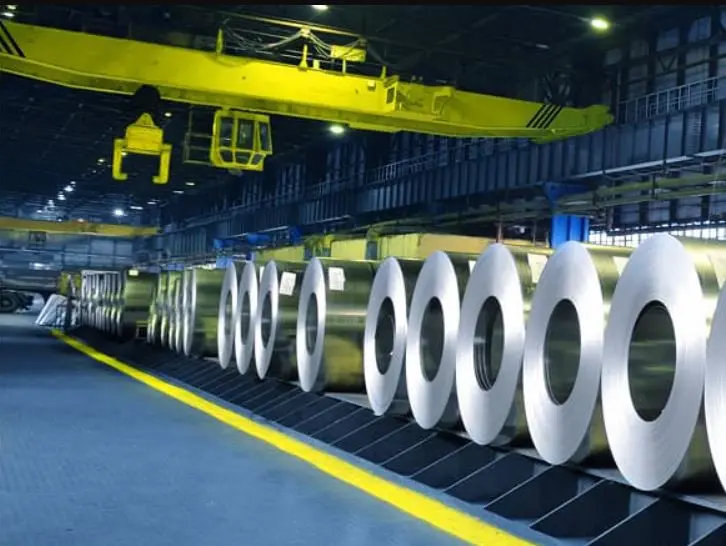
According to the latest draft resolution, new EU steel regulations will come into force on July 1, which will apply to imports from all third countries, as expected, according to the latest draft resolution.
Only Norway, Iceland and Liechtenstein will be exempt from liability in accordance with the Agreement on the European Economic Area.
The International Trade Committee plans to vote on the draft in late January, paving the way for interagency negotiations early next year.
According to the agreement, importers will have to provide information about the country where the steel was produced. It has been melting and bottling since October 1, 2026. Within two years of the entry into force of the regulation, the European Commission will also assess whether this "molten" origin should become the basis for the distribution of tariff quotas across countries. This could lead to a new legislative proposal, potentially changing the allocation of quotas.
The decree states that quotas can be distributed by country, taking into account the volume of imports in 2013, current and future free trade agreements, as well as previous distributions, such as those applied to materials of British origin. Minor adjustments to the CN codes for certain product categories are also provided, although they appear to have limited effect.
As previously reported[url=https://direct.argusmedia.com/newsandanalysis/article/2759252], this measure will again lead to the transfer of unused quarterly quotas during the same annual period. These volumes will be available within 20 business days in the next quarter.
The first revision of this measure will be carried out on an expedited basis, and an assessment of the volume of production should be carried out 18 months after its entry into force. The Commission plans to start consultations by October 1, 2026. A broader assessment will be conducted four years after implementation, followed by reviews every two years.
"The Council has also added a new element to consider when changing quotas in order to draw attention to the potential for significant price increases that could seriously undermine the competitiveness of processing industries," the European Council said in a statement.
The draft also states that the European Commission should assess the need to add steel products 18 months after the introduction of this regulation.
The current draft does not mention any ban on Russian steel, as was proposed in the previous draft. repetition.