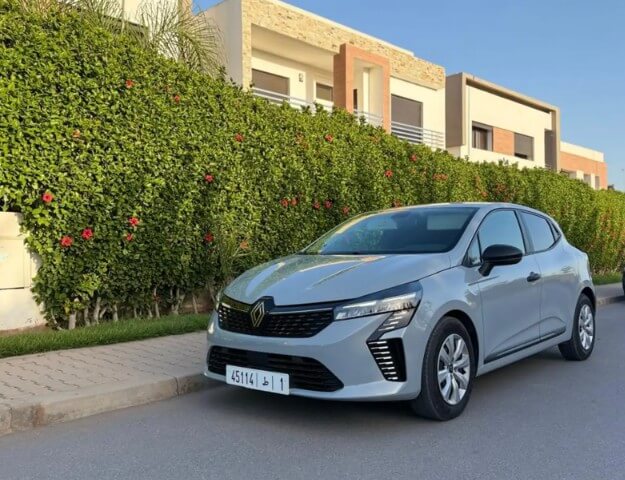
Driving in Morocco can give tourists much more freedom than travelling only by train, bus or private transfer. With a rental car, it becomes easier to connect Rabat, Casablanca, Marrakech, Fes, Chefchaouen, Essaouira, coastal towns, mountain villages and scenic viewpoints in one flexible itinerary. For travellers who want to see more than one city, a car can make the trip more personal and less dependent on fixed schedules.
At the same time, Morocco is not a country where tourists should drive without preparation. Main roads and motorways are often good, but city traffic can feel intense, rural roads may include unexpected hazards, and some mountain or desert routes require more planning than they appear to on a map. The key is not to be afraid of driving in Morocco, but to understand how it works before you collect the car.
This guide explains what tourists should know before driving in Morocco in 2026, including road conditions, documents, police checks, parking, city traffic, mountain routes, insurance, deposits and rental car choice.
Is it safe to drive in Morocco as a tourist?
Driving in Morocco is manageable for tourists who are confident behind the wheel and willing to adapt to a different road environment. Many visitors rent cars every year and drive between cities, beaches, mountain areas and desert gateways without problems. The easiest routes are usually between major cities and along well-used tourist roads.
The more challenging part is local driving style. In busy areas, traffic may feel less structured than in many European countries. Scooters, taxis, buses, pedestrians and small delivery vehicles can move closely together. In rural areas, you may meet animals, people walking near the road, slow trucks or vehicles entering without much warning.
For first-time visitors, the safest approach is to start with simple routes, avoid rushing and plan longer drives during daylight. If you feel uncomfortable with heavy traffic, do not drive deep into old medina areas. Park nearby and continue on foot or by taxi.
Documents tourists should carry
When driving in Morocco, keep your documents with you. You should have a valid driving licence, passport or ID, rental agreement and insurance documents. If your driving licence is not easy for local authorities to read, an International Driving Permit can be useful as an additional translation.
Police checks are common on some roads, especially near city entrances, junctions and longer intercity routes. These checks are usually routine. Slow down, stop if requested and keep your documents ready. A calm attitude and complete paperwork usually make the process quick.
Do not leave passports, money, cameras or important documents visible inside the car when parked. Keep valuable items with you or out of sight.
Speed limits and road controls
Speed limits in Morocco are usually signed, and tourists should always follow the posted signs. As a general guide, limits are often around 60 km/h in towns, 100 km/h on main roads and 120 km/h on motorways, but local signs can change this. Limits may drop near villages, roadworks, schools, junctions and police checkpoints.
Speed controls are common. You may see police with radar on straight road sections, at town entrances or near roundabouts. Fines can be issued on the spot, so it is better to drive slightly below the limit rather than risk a problem during your trip.
Even when a road looks empty, avoid driving too fast. Rural roads can change quickly, and unexpected obstacles are possible, including animals, pedestrians, cyclists, tractors and vehicles stopping at the roadside.
Motorways are the easiest option for long distances
Morocco has a useful motorway network connecting several major cities. For tourists, motorways are often the most comfortable way to cover long distances because they are faster, clearer and more predictable than smaller roads.
Routes such as Rabat to Casablanca, Casablanca to Marrakech, Rabat to Fes and Rabat to Tangier are easier when you use main roads or motorways. Toll roads are common, so keep some Moroccan dirhams in cash. Card payment may be available in some places, but cash is still the simplest option for many travellers.
Motorways are not always scenic, but they are practical. A good road trip plan often uses motorways for the longer sections and smaller roads only where they add real value, such as coastal detours, viewpoints or mountain villages.
City driving in Morocco
City driving is where many tourists feel the biggest difference. Rabat is usually calmer and more manageable than Casablanca or Marrakech. Casablanca is larger and busier, with heavier traffic and more aggressive lane changes. Marrakech can feel intense around the old town because of scooters, taxis, pedestrians, tourist vehicles and horse carriages. Fes can be difficult