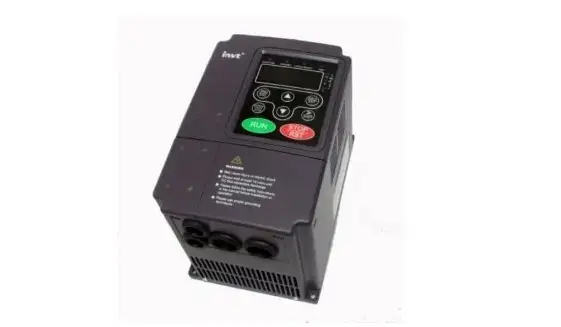
Not every electric drive in a metallurgical plant needs to be switched to a controlled speed. If the mechanism is constantly operating at one settlement point, additional automation may complicate maintenance without noticeable benefit. But with variable performance, heavy start-up, or the need for precise control, modernization can solve several operational tasks at once.
The assessment should begin not with the price of the equipment, but with the profile of the mechanism. The engineer needs the actual shift load, the number of starts, the range of required performance, and the failure history. Only then can you understand whether an adjustable drive is needed and which functions are really important.
Three typical scenarios for an adjustable drive
For an initial overview of the series and power ranges, you can consult the information on the website prk.com.ua , and form a technical solution based on the data of a specific node. The catalog power alone does not answer questions about overload, braking, cable length, and compatibility with the control system.
First the engine and load, then the electronics
It is necessary to check the rated data of the motor, mains voltage, current, speed, connection diagram of the windings and the permissible control range. The starting torque and the risk of jamming are important for the conveyor, the operating characteristic is important for the fan, and load retention and braking are important for the lifting mechanism.
The next layer is the workshop conditions. Dust, high temperature, vibration, and electromagnetic interference affect the cabinet installation location, cooling, filtration, and cabling. Sometimes it is more reasonable to remove the converter from the hot zone than to choose a more complex design directly from the mechanism.
Integration with automation should also be part of the task. The team needs to determine in advance how to start and stop, alarm signals, remote control, feedback, and behavior after power is restored. The vague description of these scenarios often creates more problems than choosing a device brand.
When the initial data is collected, the frequency converter is selected for compatibility with the motor, network and load, and then the necessary inputs, interfaces and protective functions are checked. The power reserve should not replace the engineering calculation and analysis of overload conditions.
Not only the converter itself should be included in the design calculation. You may need a cabinet, protective devices, filters, brake elements, cable, sensors, and a change in the control program. If these positions appear after the order, the pilot's budget and term are no longer comparable to the initial one.