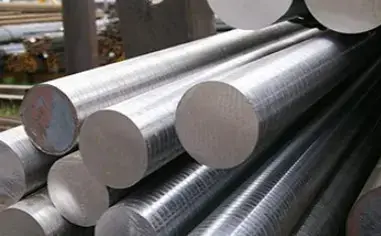
Steel forgings are widely used in mechanical engineering, energy, oil and gas industry and other fields where high strength and the ability to withstand significant mechanical loads are required from parts. Unlike finished long products, forgings are blanks produced by plastic deformation of metal. During the manufacturing process, the internal structure of the material changes, which makes it possible to obtain a product with the characteristics necessary for subsequent machining. When choosing workpieces, it is important to take into account the steel grade, dimensions and operating conditions of the future part, therefore, steel forgings are selected in accordance with the technical requirements of a particular production.
How forgings are made
The main manufacturing methods are free forging and stamping. During free forging, the heated metal billet is consistently deformed under the influence of forging equipment. This method is suitable for manufacturing products of various sizes and shapes, including shafts, discs, rings and large blanks of complex configuration.
Stamping involves the use of special tooling that restricts the flow of metal and forms a given geometry. This method is used in the mass production of similar parts. Regardless of the technology, the initial quality of the metal, the temperature regime of processing and compliance with the requirements for the finished workpiece are important.
What types of forgings are used in industry
The most common products are round and square sections. Round forgings are used to produce shafts, axles, bushings, flanges, and other rotating parts. Square and rectangular blanks can serve as the starting material for the manufacture of body parts, fasteners and various components of industrial equipment.
Operational properties are largely determined by the grade of steel. For critical parts, structural and alloy steels are used, the composition of which is selected taking into account strength, hardness, wear resistance and other required characteristics. After forging, the workpiece is heat-treated and machined to the required dimensions, if necessary.
What to pay attention to
When ordering forgings, it is necessary to prepare the terms of reference in advance. It specifies the steel grade, shape, dimensions, permissible deviations and quality control requirements. If the part is going to work under high loads, it is important to consider the need to check the internal structure of the material and mechanical properties.
The rational choice of the workpiece size is equally important. The allowance is too large