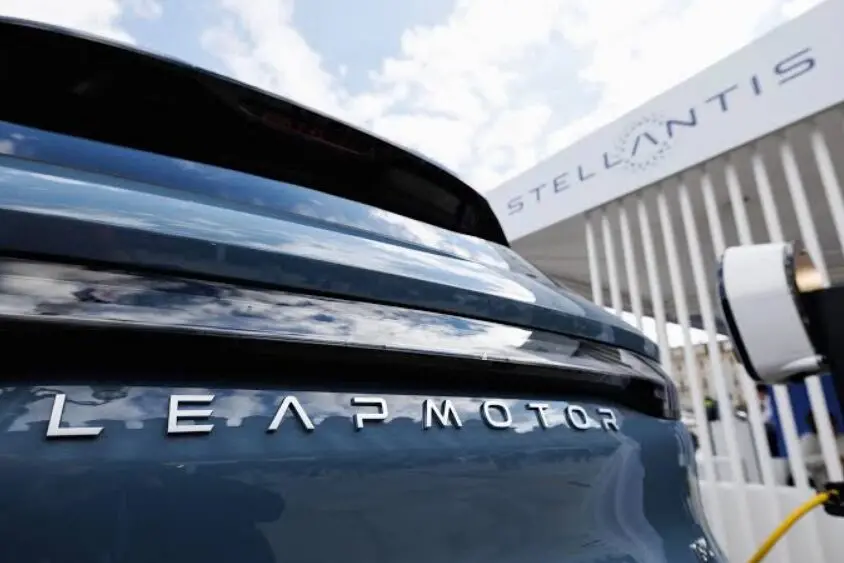
Automakers are increasingly turning to partnerships to share software, electric vehicle infrastructure, vehicle platforms, and development costs as the industry faces technological shifts, weak sales growth, and growing overcapacity, according to the Boston Consulting Group.
The report says that joint ventures, collaborative development programs, technology alliances, and collaboration with suppliers have become necessary as cars become more software-oriented and electrified, requiring complex architectures, faster validation, and more options per platform. Unlike many failed alliances in the past, analysts say that current agreements have a better chance of success when partners agree on strategic goals, combine additional strengths, clearly define management, prepare for cultural changes, and agree on exit routes in advance.
Partnerships can help automakers improve production efficiency, combine scale, provide batteries, build infrastructure for electric vehicles, accelerate the development of software-based vehicles, and test autonomy or fleet services without having to finance everything themselves. Chinese automakers are reformatting their partnership model: Instead of mainly learning from overseas groups, they now bring advanced technology, faster development, and production efficiency.


