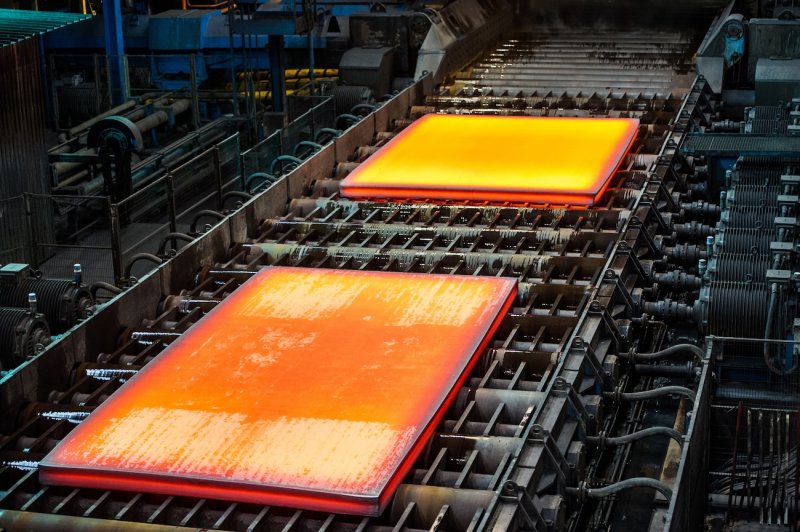
The European Economic and Social Committee (EESC) has unveiled a plan to save the European steel industry in order to protect the EU's strategic autonomy and environmental sovereignty.
According to the Committee, steel production in the EU has decreased by 31 million tons since 2018. Imports have captured 27% of the domestic market, while the sector has lost more than 95,000 jobs since 2008, with 18,000 of them lost in 2024 alone. This situation has escalated into a systematic breakdown due to global overcapacity, unfair trade practices, and the collapse of transatlantic trust.
One of the most important turning points in the crisis was the US decision in March 2025 to impose a 50% tariff on steel from the EU. This move shut down the American market, which previously absorbed 4.6 million tons of European steel exports annually, while simultaneously creating the risk of redirecting 27 million tons of global steel flows to Europe. Global excess production capacity is estimated to reach 721 million tonnes by 2027, five times the annual output of the EU. The EESC has warned that this process could turn Europe into a "landfill of last resort" for subsidized, high-emission steel.
The statement stresses that current security measures and trade protection tools are insufficient. According to the EESC, the EU now needs strong, comprehensive and permanent trade measures against global overcapacity. The main recommendations in the framework of the Action Plan of the Committee on Steel and Metals include:
Strict import restrictions should be set (15% for carbon flat and stainless steel, 5% for long products).
Customs duties should be applied universally to all products and countries, including those with free trade agreements with the EU, without any loopholes or exceptions.
To prevent smuggling, it is necessary to trace the origin of the steel using the rules of "smelting and casting".
Rental quotas should be abolished and an additional tariff of up to 50% should be introduced. It is applied to goods exceeding the quota in order to send a strong price signal to the market.
However, according to the EESC, trade protection measures alone are not enough. Energy prices in Europe are 2-3 times higher than in China or India, which weakens competitiveness. The Committee recommends that the following steps be taken:
Emergency reduction of energy prices and reimbursement of grid tariffs for energy-intensive industries,Reorganizing the electricity market to separate fossil fuel prices from electricity prices,Creation of a special mechanism