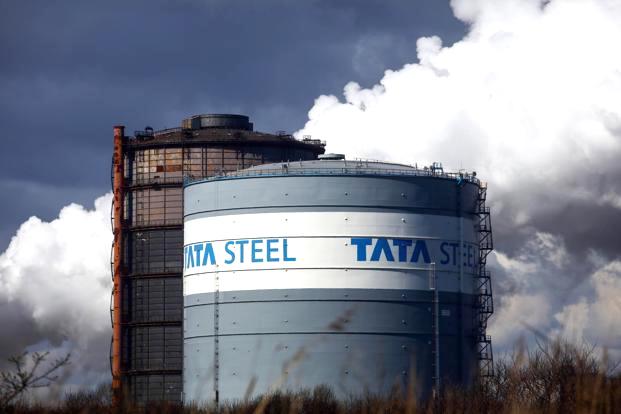
Indian steel company Tata Steel applies different approaches to decarbonization in Europe and India, which reflects the realities of the local market, said the company's chief executive Officer T.
V. Narendran in an interview with the Kallanish's Green Steel Challenge podcast.
In Europe, high carbon costs and stricter regulatory requirements are pushing the company to melt steel in electric arc furnaces (EDP) and use scrap metal more widely. In Port Talbot, Tata Steel is using this model with the support of a government grant of 500 million euros ($630 million). Narendran says that Europe is facing the challenge of "survival and transition" in the face of limited availability of affordable green hydrogen and renewable energy sources.
In India, steel demand remains high and production capacity is constantly increasing. Therefore, Tata Steel pays special attention to the gradual reduction of emissions, rather than the massive upgrade of equipment. As part of its Tata Ferrobaling program, the company invests in the production of gas-based direct reduction pig iron (DRI), testing of blast furnaces using hydrogen, and the development of a professional scrap supply chain. Tata FerroBaling is a part of the scrap metal recycling business established to formalize the largely unorganized scrap metal market in India and improve the quality and transparency of supplies.
Narendran says that the global transition to steel production is taking place at different speeds, adding: "Although the goal is global, the path is regional in nature." He notes that "Europe has every reason to make a rapid transition due to high carbon taxes and public demand for clean production, while India is focused on greening growth as production capacity continues to expand."
Then he adds: "No steel company in the world can make this transition without government support." He notes that Europe is ahead because governments take on 40-60% of capital expenditures.
As India increases production capacity by 100-150 million tons every decade, he insists that the priority is to maintain sustainable growth, not just replace old assets, which is a priority for Europe.
The two-way strategy shows how the political framework, geography and availability of raw materials affect the economics of producing environmentally friendly steel.
India is likely to remain a key manufacturing hub in the near term, while Europe remains a leader in low carbon steel and round steel production.


