Salzgitter accelerates transformation despite challenging conditions in 2025
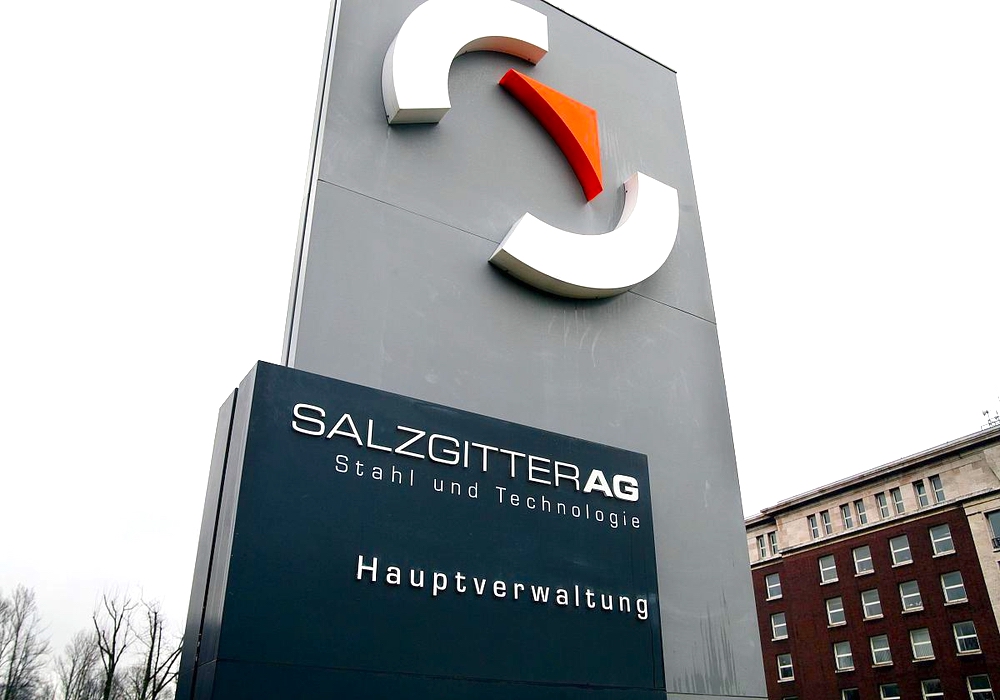
German steel producer Salzgitter ended 2025 with losses amid weak demand, high energy prices and increased global competition. The company reported a pre-tax loss of 28 million euros and a net loss of 70 million euros. Steel production decreased to 5.88 million tons, while revenue decreased to 8.98 billion euros. Weak performance in the steel production and processing segments weighed on the results, while the technology department and the contribution of subsidiaries partially offset the decline. Lower demand and higher energy prices continued to put pressure on shipment volumes and product prices. Despite these conditions, Salzgitter exceeded its cost reduction targets under the P28 program, achieving savings of 110 million euros in 2025. CEO Gunnar Grobler emphasized the company's commitment to strategic transformation despite unfavorable market conditions, stating: "We are resolutely continuing our path of transformation, despite the difficult economic conditions. The transition to low-carbon production is crucial for our long-term competitiveness." The company's decarbonization strategy is based on the SALCOS® (low CO₂ steel production in Salzgitter) program, which provides for a phased transition from traditional blast furnace production to the production of direct reduction cast iron based on hydrogen (DRI) and electric arc furnace (EAF) production technology. The first stage includes the construction of a direct recovery unit and an integrated electric arc furnace to replace the existing blast furnace. The initial phase was postponed to the first half of 2027, mainly due to uncertainty related to energy infrastructure, availability of hydrogen supplies and investment costs. The progress of the project depends to a large extent on the availability of environmentally friendly hydrogen at competitive prices and the timely deployment of the necessary energy infrastructure. Once completed, SALCOS® is expected to significantly reduce carbon dioxide emissions in Salzgitter in stages. In its final phase, the program aims to eliminate most of the co₂ emissions from steel production, positioning it as one of the most comprehensive clean steel initiatives in Europe. The strategy also provides for an increase in scrap metal utilization, an increase in the share of electricity production and closer integration of renewable energy sources. Through these transformations, the company aims to reduce the costs associated with carbon emissions and ensure