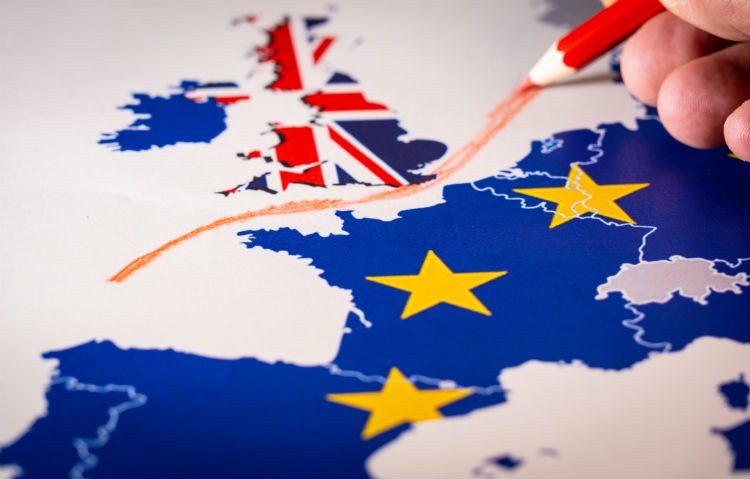
The United Kingdom and the European Union are unlikely to quickly exempt each other’s goods from the Carbon Border Adjustment Mechanism (CBAM), despite talk of possible mutual exemptions. Market participants at UK Metals Expo in Birmingham are hoping for relief, including retroactive exemptions from 2026, but differences between the two systems and the need for new laws could delay a decision.
London and Brussels are negotiating a link between their emissions trading systems ahead of the annual EU-UK summit, scheduled for November 20. A leaked draft of a joint statement says the parties could mutually recognize allowances and exempt goods from CBAM, subject to national laws and procedures.
“This will enable the mutual recognition of EU and UK allowances and exempt EU and UK goods from the respective carbon border adjustment mechanisms, subject to applicable laws and procedures, which we plan to put in place without delay.”
Media and market participants have interpreted this wording as a possible signal that steel trade between the parties could be exempt from CBAM from 2026. British importers want to avoid future costs and administrative requirements, which are due to take effect in 2028. EU exporters, meanwhile, are assessing how the levy will affect shipments to the UK.
However, the draft statement makes no mention of a retroactive exemption from January 2026. It also confirms that additional legislative work will be needed to put exemptions in place.
Different calculation rules
The Carbon Border Adjustment Mechanism (CBAM) is designed to protect producers from the relocation of production to countries with less stringent climate requirements. It extends carbon costs to imports, bringing them in line with the costs borne by domestic businesses as free emissions allowances are phased out.
The EU and UK approaches to calculating these costs differ significantly. The European system assesses foreign facilities against its own benchmarks and calculates deductions for each producer as if it were manufacturing within the EU. The UK uses a simplified scheme: it averages the results of national calculations and applies the same deduction to trading partners.
Because of this difference, deductions under the UK system may cover a larger share of costs. According to an example cited in discussions, the maximum CBAM liability in the EU for Indonesian hot-rolled coil calculated using default values could be 22 times higher than in the UK. Market participants therefore say that a mutual exemption could create an attractive back door into the EU market through the more lenient UK system.
Representatives of the UK Treasury and HM Revenue & Customs (HMRC) at UK Metals Expo indicated that the process could take longer: linking the emissions trading systems is only the first step, with discussions on exemptions to follow later. CBAM, emissions trading and verification experts interviewed by Dow Jones Energy also consider a quick decision unlikely. Some believe that the systems may not be integrated until the next phase of emissions trading, in the 2030s.
The mechanisms’ development timelines also do not align. The EU has already proposed extending CBAM to downstream products so that imports of finished goods cannot circumvent carbon requirements for the steelmaking supply chain. The UK has announced no such plans. According to government statements, there is limited scope for further work on the mechanism; near-term priorities include aligning the UK model with the European one and introducing new country-specific emissions values.
Those values themselves could also become a source of disagreement. The UK plans to switch to country-specific default values from 2029, replacing its current trade-weighted model. The EU, by contrast, is considering moving away from country-specific values in favor of global averages.
These changes are being discussed amid legal scrutiny by the World Trade Organization, the Court of Justice of the European Union and the European Parliament, as well as steelmakers’ concerns about circumvention. Producers have, in particular, pointed to the competitive advantages enjoyed by some countries with steel production that does not use blast furnaces, such as Egypt, as a result of more favorable default values. Global averages could establish a uniform level of costs for imports into the EU; requirements specifying the country where steel was melted and poured could serve the same purpose of preventing circumvention.
Some market participants believe close trade ties in the steel sector and UK Prime Minister Andy Burnham’s advocacy for closer alignment with the EU could speed up efforts to resolve the differences. But even they do not expect an immediate outcome.
The draft joint statement also addresses steel trade and market protection. The EU and UK intend to “work closely to develop cooperation on the allocation of steel quotas and explore further solutions,” including in light of the needs of the defense industry. The document also says the parties aim, where possible and in their common interests, to limit the negative effects of measures on specific supply chains.
In particular, the parties intend to jointly develop diversified and resilient supply chains for steel, electric vehicles and critical technologies. In this context, mutual CBAM exemptions appear possible in the future, but not immediately and, contrary to the expectations of some market participants, not necessarily with retroactive effect from 2026.
Author: Benjamin Stephen
opisnet.com


