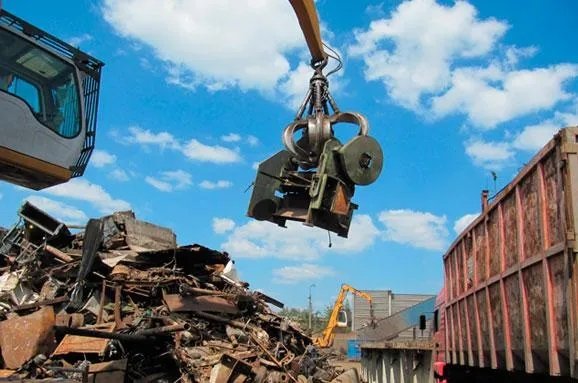
Scrap shipments from Ukraine in April 2025 totaled 46,321 tons, which is 16% more in a month and 95% more in a year. At the same time, Poland accepted 38,310 tons of cargo.
This is written by the reputable international publication Kallanish Commodities.
"In January-April, Ukraine exported 127.2 thousand tons of scrap, which is 45.5% more than in the same period last year. Poland remained the main export destination with a consumption volume of 114,240 tons. A small part was sent to Greece and Germany. Revenue increased by 39.4% compared to the same period last year to $39.3 million," the publication points out.
At the same time, they recalled that earlier the Ministry of Economy of Ukraine proposed to introduce licensing and quota restrictions on the export of ferrous scrap with a zero quota for 2025: this aims to solve the problem of transshipment of scrap from Ukraine through the EU to major foreign markets. Indeed, back in 2021, the Verkhovna Rada raised the duty on the export of ferrous scrap to 180 euros/ton ($204). However, the duty is minimal for shipments to the EU.
"By the end of 2025, the export figure may reach 350 thousand tons, which will reflect a further increase of almost 20%. At the same time, in 2024, steel production in Ukraine increased by 21.6%, to 7.58 million tons," Kallanish said.
Ukraine has a 180 euro duty on scrap exports to non-EU countries. On the other hand, the duty rate on exports to the EU is zero. Because of this, a number of unscrupulous exporters fraudulently export scrap first to the EU to avoid customs duties, and then to third countries, in particular Turkey. According to People's Deputy Dmitry Kisilevsky, Ukraine has already lost more than 2 billion budget revenues due to such re-exports.
As you know, there are currently 75 restrictions on scrap exports in 48 countries around the world, because scrap is getting smaller and more is needed, especially if the country's metallurgy is being modernized. The EU currently has restrictions on scrap exports to non-OECD countries. But the European Commission has already begun work to further reduce the outflow of raw materials.