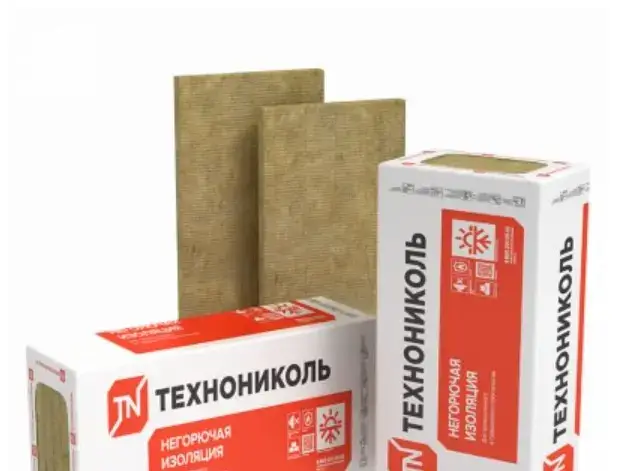
Stone wool is considered one of the most sought-after insulation materials in modern construction. Made from basalt rock melts, it has a unique combination of properties: fire safety, high vapor permeability and durability. However, the effectiveness of thermal insulation directly depends on the correct choice of material, compliance with its storage conditions and the quality of installation work.
How to choose the right stone wool
When buying insulation, it is important to focus not only on the brand, but also on the technical characteristics appropriate to your task. The main criterion is the density of the material.
- Lightweight cotton wool with a density of 30-45 kg/m3 is suitable for non-loaded structures (partitions, interstory floors, pitched roofs). It perfectly absorbs noise, but it easily deforms under weight.
- For ventilated facades, plates of medium density (70-90 kg/m3) are used, which are resistant to air currents.
- For plastering "wet" facades and flat roofs, a rigid material with a density of 100 to 150 kg/m3 and above is required. Such plates must withstand significant mechanical loads and the weight of the decorative layer.
Be sure to check the integrity of the packaging and the availability of certificates of conformity. High-quality basalt wool should not contain large inclusions of slag (kings) and have a pungent chemical odor.
Storage features: protection from moisture
Despite the presence of hydrophobic additives, rock wool is afraid of direct contact with water. When wet, the air in the insulation structure is displaced by moisture, which dramatically increases the thermal conductivity and makes the material useless.
The plates must be stored in their original packaging on flat pallets to avoid contact with the ground. The ideal option is a closed, ventilated room. If the material remains outside, it should be covered with a thick tarpaulin or plastic wrap, while allowing natural ventilation from below. Even a short-term presence of cotton wool in a puddle can lead to capillary suction of moisture and loss of plate shape.
Installation rules: secrets of craftsmanship
The effectiveness of insulation depends by 70% on the quality of the installation. The process of installing stone wool has its own nuances:
- Preparation of the foundation. The surface must be dry and clean. In wooden houses, it is important to check the absence of fungus and treat the walls with antiseptic.
- Laying by surprise. Slabs of stone wool are cut 1-2 cm wider than the distance between the frame guides. This allows the material to fit snugly to the structure, eliminating the appearance of "cold bridges".
- The run-up