Why can't automated process control systems be put into operation immediately after installation
Installation of an automated process control system is an important, but far from the last stage of its implementation. Even if cabinets are installed, cable lines are laid, sensors are connected, and software is loaded, this does not mean that the system is ready to manage real production.
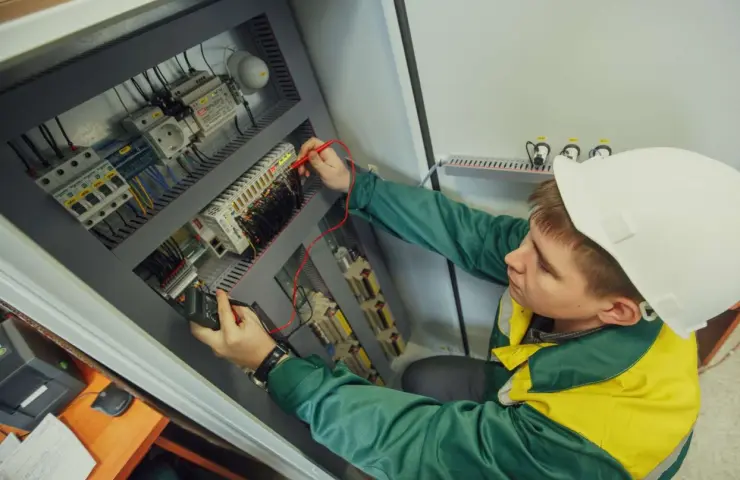
Before putting the automated process control system into commercial operation, it is necessary to make sure that the individual components interact correctly with each other, the signals arrive without errors, the actuators execute the necessary commands, and the locks provided by the project operate under specified conditions. It is for this purpose that a complex of commissioning works is carried out after installation.
Installation confirms the assembly, but not the operability of the system
During the installation work, the equipment is physically installed at the facility and connected in accordance with the design documentation. Automation cabinets, sensors and other control and measuring devices are installed, cables are laid, and connections are made.
At the same time, even a carefully executed installation does not exclude errors. Incorrect connection of individual wires, confused marking, contact failure in the terminal, or inconsistency of the actual connection with the design scheme may occur.
Some malfunctions cannot be detected by a normal visual inspection. For example, the sensor may be physically connected, but transmit the value to the wrong channel of the controller. Information will be displayed on the operator's screen, but it may relate to a completely different part of the equipment.
Therefore, the next stage is to check the actual operation of the entire chain.
Signals from field equipment are being checked
The automated process control system receives information about the technological process from sensors and other field devices. This may include data on temperature, pressure, level, flow rate, position of the mechanism, and dozens of other parameters.
During commissioning, specialists check whether each signal reaches the desired I/O module and whether it is interpreted correctly by the program.
For example, it is not enough to make sure that the pressure sensor shows a certain number. It is necessary to check whether the displayed value corresponds to the actual signal, whether the units and range are set correctly, and whether the parameter is associated with the desired technological object.
Such a check allows you to detect errors even before they begin to affect the operation of the equipment.
The actuators also need to be checked
The automated system not only receives information, but also issues