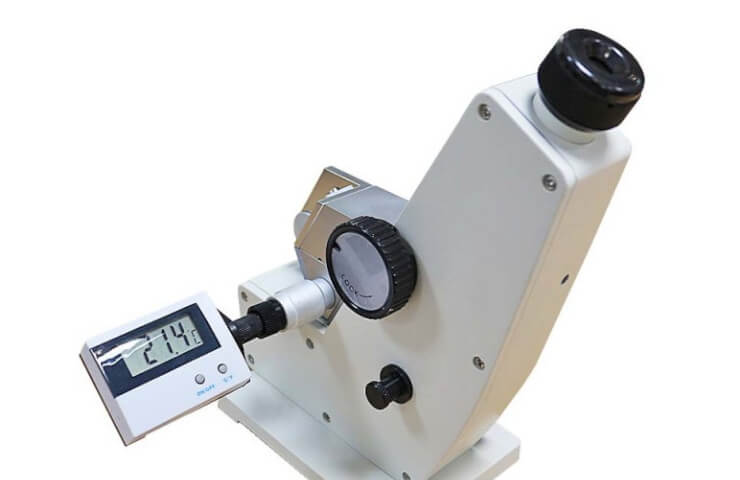
Microbiological, cytological, and materials science studies cannot be imagined without the use of light technologies that make it possible to visualize microstructures. The accuracy of the data obtained, the correctness of the interpretation of the results and the overall effectiveness of the researcher's work directly depend on the quality of the optics used. Modern high-precision optical devices are complex optical and mechanical systems capable of providing high resolution and contrast images. The choice of such devices requires a detailed analysis of many parameters, since the reliability of the recorded changes in the structure of the samples depends on the technical characteristics of the lenses and illuminators. If you choose a professional, they will help you figure out what you should pay attention to when choosing optical equipment and purchase high-quality devices.
Key technical parameters for evaluating optical systems
Understanding the question of what to look for when choosing optical equipment, first of all it is necessary to evaluate the quality and type of optics used. The main criterion for the effectiveness of a device is its resolution, which is determined by the numerical aperture of the lenses. To reduce chromatic and spherical image distortions, it is recommended to choose systems equipped with planachromatic or apochromatic lenses that provide a flat and clear field of view over the entire viewing area.
The second critical aspect is the type and quality of the lighting system, as the correct light determines the visibility of the smallest details of an object. Modern devices are most often equipped with LED illuminators, which provide a stable color temperature, do not heat the test sample and have a long service life. It is important to check the presence of an iris diaphragm condenser, which allows precise adjustment of the intensity and direction of the light flux in accordance with the microscopy method.
How to make the right choice?
A detailed analysis of the available optical technology modifications evaluates the following factors:
- The optical scheme of the device and the correction class of the lenses used.
- The type of lighting system and the ability to smoothly adjust the brightness of the light.
- Availability and characteristics of a digital module for archiving and analyzing images.
The process of choosing the optimal equipment configuration should be based on the specifics of everyday research tasks and the operating conditions of the equipment. Ergonomics of construction, reliability of mechanical