
Proxy solutions are an essential component of many modern internet workflows. They are widely used in tasks such as automation, large‑scale data collection, and the management of multiple online accounts. Because different proxy types provide varying levels of anonymity, reliability, and operational flexibility, selecting the right option is important for achieving stable results. Among the most frequently used solutions are static proxies and rotating proxies, each designed for specific technical scenarios. Understanding their differences helps organizations and developers make better decisions when building digital infrastructure.
Advantages of Static Proxies
Static proxies operate through a dedicated IP address that remains unchanged throughout the entire connection period. Because the IP does not rotate or switch automatically, these proxies provide a stable digital identity for online activities.
This type of proxy is popular for several reasons:
- The IP address remains constant during all requests.
- Connections remain stable for extended sessions without interruptions.
- Integration is simpler for systems that rely on one fixed identity.
- Performance tends to remain predictable during repeated actions.
Due to these characteristics, static proxies are commonly used for tasks that depend on stability and consistency. They are often applied in account management systems, secure browsing environments, and any workflow where maintaining the same IP address is necessary for uninterrupted access.
How Rotating Proxies Function
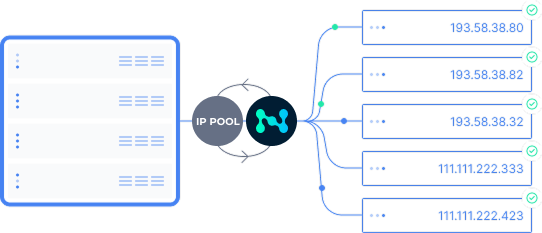
Rotating proxies follow a different principle. Instead of maintaining a single IP address, they automatically assign a new one at predefined intervals or after each request. As a result, the user's online identity constantly changes.
Such systems provide several important advantages:
- Automatic IP rotation increases anonymity.
- The probability of detection during automated activity is reduced.
- Requests can be distributed across a large pool of addresses.
- They are highly effective for extensive web data extraction.
- Temporary IP restrictions become less problematic.
Because of these benefits, rotating proxies are widely used in projects that involve sending large numbers of automated requests. They help maintain access to websites even when gathering information from thousands of pages or multiple sources.
Choosing the Appropriate Proxy Solution
Selecting between these proxies largely depends on the objectives and technical structure of the project. Each option delivers specific benefits that make it suitable for certain tasks.
When deciding which type to use, it is useful to evaluate several factors:
- Whether the workflow requires a consistent IP address or frequent changes.
- The expected volume of automated requests.
- The desired level of anonymity during operations.
- The security policies and sensitivity of the websites being accessed.
By analyzing these aspects, businesses can determine which proxy configuration will deliver the most efficient and stable performance. In many professional environments, both proxy types are implemented simultaneously to handle different operational needs.
Static and rotating proxies each play an important role in modern online processes. The optimal choice depends on the scale of the project and the type of activities involved. A clear understanding of these technologies allows companies to design more effective proxy strategies and maintain stable digital operations.
Source: node-proxy.com