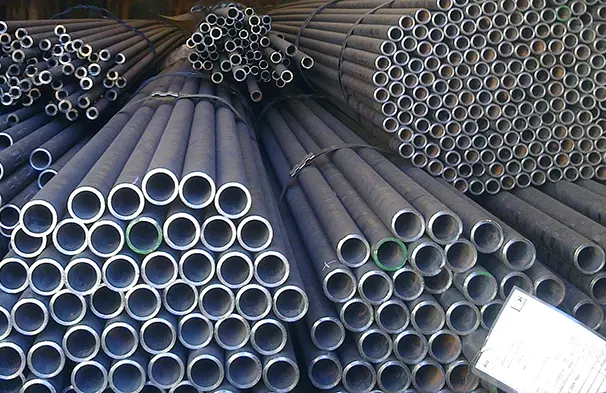
During the operation of pipelines and technological systems in conditions of constant heating, ordinary rolled metal quickly loses its properties. The metal deforms, its strength decreases, and there are risks of accidents and unplanned equipment shutdowns. That is why specialized rolled products, heat—resistant pipes, are used in the energy, metallurgy, chemical and oil and gas industries.
Heat-resistant pipes are designed for long-term operation at high temperatures and retain mechanical stability, shape and structure of the metal even under constant thermal stress. You can get acquainted with the range of such products for various grades of steel, diameters and wall thicknesses in the supplier's catalog.:
https://atom-r.ru/catalog/truba-zharoprochnaya/
What is meant by a heat-resistant pipe?
A heat—resistant pipe is a steel pipe product designed for use at elevated temperatures without loss of strength and operability. Unlike conventional pipes, it is made of special alloy steels that are resistant to creep, thermal aging and structural changes in the metal.
The main feature of heat-resistant pipes is that they are designed not for short-term heating, but for long-term and stable operation in temperature conditions that are critical for standard steels.
Main operational characteristics
When choosing a heat-resistant pipe, it is important to take into account the set of properties that determine the service life of the entire system.:
- Resistance to prolonged exposure to high temperatures;
- Preservation of strength during heating and cooling;
- Resistance to thermal fatigue and creep;
- Stability of the geometry and structure of the metal.
These characteristics directly depend on the chemical composition of the steel and the production technology, therefore, the accuracy of compliance with standards is especially important for heat-resistant pipes.
Steel grades and their impact on the field of application
The steel grade determines the permissible temperature range and operating conditions of a heat-resistant pipe. Such steels contain alloying elements such as chromium, nickel, molybdenum, and silicon, which increase the heat resistance and heat resistance of the material.
Simpler chromium steels are used at moderate temperatures, while chromium-nickel and high-alloy alloys are used in the most stressed assemblies. For a specialist, the steel grade immediately gives an understanding of the permissible operating modes, and for the customer — the predicted life of the pipe.
GOST standards and production standards
Heat-resistant pipes are manufactured according to GOST standards and specifications, which regulate not only the dimensions, but also the properties.