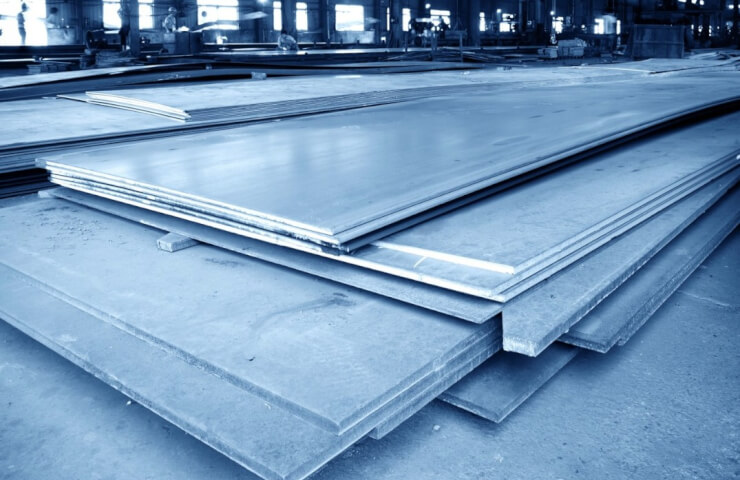
Galvanized sheet is one of the most demanded types of rolled metal, which is widely used in construction, industry and manufacturing. It is a steel sheet coated with a zinc layer to protect against corrosion and external influences. Detailed specifications and product options can be viewed on the Galvanized Sheet, which presents an assortment for various tasks.
What is a galvanized sheet
Galvanizing is a technology of applying a protective layer of zinc to the surface of steel. This layer prevents metal from contacting moisture and air, significantly reducing the risk of rust. The result is a strong and durable material that retains its properties even in an aggressive environment.
The thickness of the sheet and coating can vary depending on the purpose — from thin sheets for household needs to more durable options for industry.
Main advantages
The popularity of galvanized sheet is explained by a combination of practical characteristics:
- high resistance to corrosion and moisture
- durability and wear resistance
- relatively light weight
- convenience of processing (cutting, bending, welding)
- affordable price compared to stainless steel
Due to these qualities, the material is suitable for both exterior and interior use.
Where is the galvanized sheet used
The scope of application of galvanized steel is very wide. It is most often used:
- in construction — roofing, facades, drainage systems
- in the production of ventilation and utilities
- in mechanical engineering and automotive industry
- in the manufacture of household appliances and metal structures
- in agriculture and infrastructure projects
Galvanized sheets also serve as the basis for materials such as corrugated board and metal tiles.
Application features
Smooth galvanized sheet is often used as a blank for further processing — stamping, profiling or painting. It is characterized by good plasticity and ease of installation, which makes it a universal solution for various tasks.
When choosing, it is important to take into account the thickness of the metal, the type of coating and the operating conditions, such as humidity levels or contact with aggressive substances.