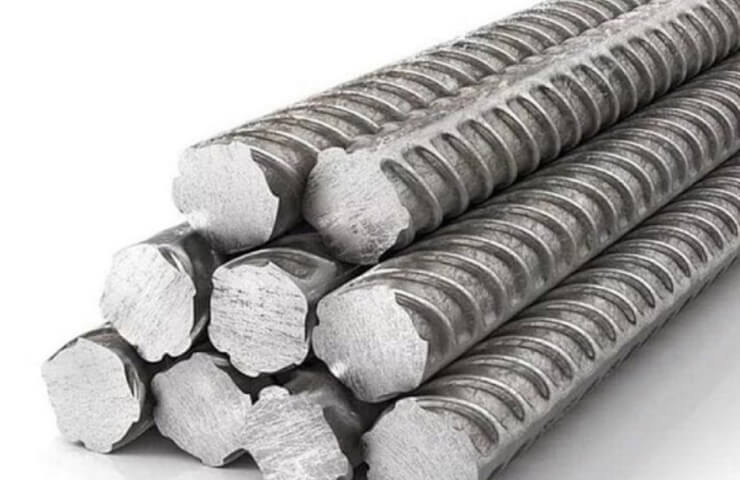
How to reinforce a concrete floor slab
The reinforcement of the floor slab sets the bending strength of the structure and distributes the load over the entire span. The frame perceives the tensile forces and stabilizes the slab during temperature fluctuations and concrete shrinkage. The diameter of the reinforcement, the pitch of the installation and the depth of the protective layer depend on the type of overlap, span and operational load.
Which plates need to be reinforced
They reinforce floors where concrete bends and accepts a distributed or point load. Without a frame, such plates crack, lose their rigidity and can deform even under moderate load.
-
Monolithic formwork plates
These are solid reinforced concrete floors, poured over removable formwork. Reinforcement is required — the working fittings are placed in the lower zone, the distribution fittings are placed on top. The thickness of the plate and the pitch of the reinforcement depend on the span and load, the minimum diameter is from 8-10 mm.
-
Plates with a fixed deck (according to a trapezoidal sheet or blocks)
In such structures, reinforcement compensates for the loss of rigidity and gives bending strength. It is used more often in ceilings above technical rooms, garages, basements.
-
Slabs above wet and technical rooms
Balconies, floors above bathrooms and boiler rooms experience uneven loads and temperature fluctuations. Here, the reinforcement is laid in two directions, with additional reinforcement at the edges.
-
Stoves in unheated areas or with temperature differences
Without reinforcement, shrinkage and cracking are possible. In such cases, a grid or an armoured frame is laid, even with small spans.
Load distribution in the plate
Concrete works well in compression, but it does not compensate for the tensile forces, especially in the lower part of the span. Under the influence of the load, the plate tends to bend, and sprains occur at the bottom, which are compensated by the lower reinforcement. The top layer of reinforcement is activated under uneven load, shrinkage, and temperature fluctuations.
In most private facilities, reinforcement is performed in two layers — with the main working reinforcement at the bottom and auxiliary reinforcement in the upper area. This scheme makes it possible to stabilize the plate in thickness and distribute stresses during operation.
How to choose the diameter of the reinforcement
The choice of diameter depends on the span, the thickness of the plate and the expected load. In ceilings up to 3 m and residential buildings with one or two floors, 10 mm bars are often used - it provides the necessary rigidity without excess weight and overspending of metal. At the same time