ANFIA proposed to impose 80% EU duties on Chinese cars and auto components
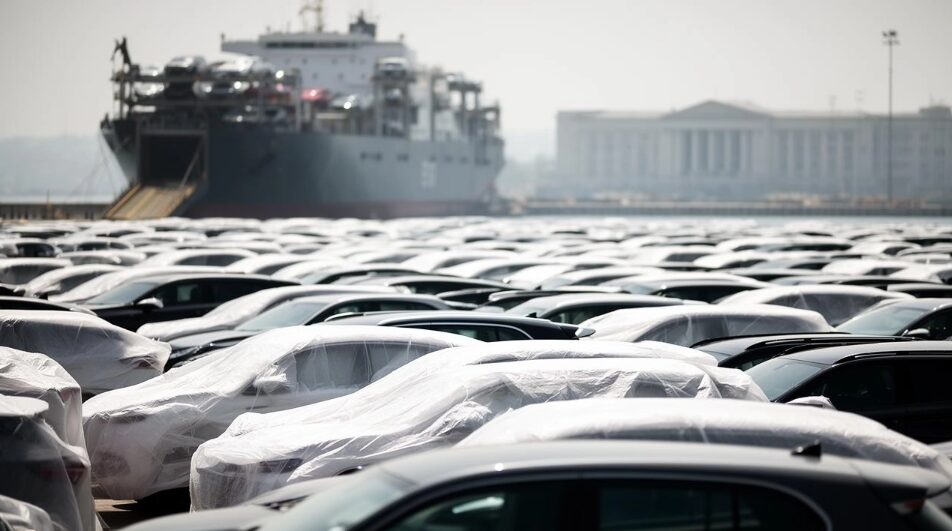
Roberto Vavassori, president of the Italian Association of automotive component manufacturers ANFIA, called on the European Union to impose 80 percent duties on Chinese-made cars and components if their volume exceeds the quota of 8% of the annual number of car registrations in Europe. At the same time, he proposes to leave imports that do not exceed this limit duty-free, according to Reuters. According to the head of one of the largest lobbying associations in the industry, such measures should apply not only to finished cars, but also to components that make up about 80% of the cost of a car. Vavassory believes that this will help preserve Europe's industrial base and its strategic autonomy. Referring to data from the European Automobile Manufacturers Association ACEA, he noted that in the first half of the year, the share of Chinese brand cars in sales in the EU exceeded 9%. At the same time, Vavassori warned that the restructuring of the European car industry, including the reorganization of Volkswagen, creates additional risks for Italian suppliers. In 2025, they exported 4.9 billion euros worth of products to Germany, and Volkswagen accounted for up to 20% of this volume. The head of ANFIA expects that by the end of this year, exports may decrease by about 10%. If the European Union does not protect the market from Chinese imports, the supply of Italian automotive components may decrease by 40-50% by 2028, he warned. Vavassory also criticized the proposed EU law on industrial acceleration. In his opinion, this document can stimulate imports from partner countries, including Morocco and Turkey, instead of strengthening production within the European Union. He also questioned whether Chinese automakers opening factories in Europe would really actively use local components. According to him, such enterprises often operate as "screwdriver factories" and are likely to continue to purchase most of the parts in China or in neighboring countries with lower cost.


