Purification of industrial raw materials from metal impurities: equipment selection and implementation
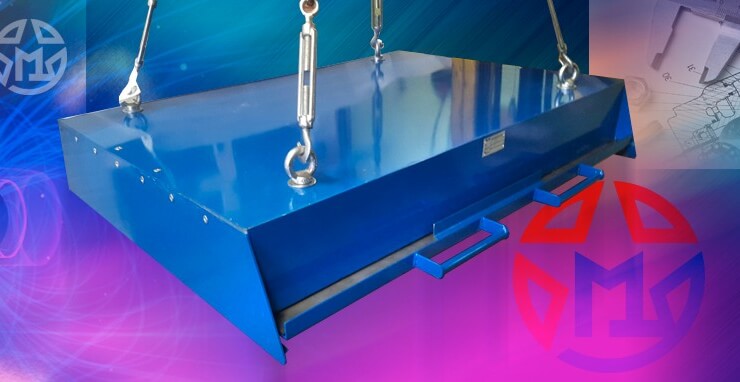
On conveyor lines, metal inclusions can damage equipment, stop the supply of raw materials and affect the quality of finished products. Therefore, enterprises evaluate not only the likelihood of such inclusions, but also the place where they can be extracted more efficiently. A suspended assembly above the belt is one of the flow protection options; its parameters are determined by the composition of the raw materials, the width of the conveyor and the working conditions.
In the article, we will analyze how a magnetic separator and a magnetic iron separator are arranged, how the tasks of these devices differ, and what factors should be taken into account when selecting them. Let's consider a magnetic separator and other solutions in the context of processes at existing enterprises.: from the mining division to the grain line. We will pay special attention to magnetic systems, integration into existing infrastructure, and verifiable performance evaluation criteria. This approach will help to link the choice of equipment to a specific technological task, without replacing the engineering calculation with general recommendations.
Where is the risk of metal entering the process flow?
Metal inclusions get into the raw materials during extraction, transportation, repair and wear of equipment components. Fragments of fasteners, bucket teeth, rails and linings can get into the ore, and fragments of wire, staples and conveyor parts can get into the bulk materials. Their size and composition vary, so the risk remains even with a clean flow. Control is especially important where large chunks of raw materials go through crushing, pouring and screening. If the impurity is not intercepted in advance, it can damage the working organs, cause the line to stop and increase repair costs. Enterprises use a magnetic separator or an iron separator to protect machines.
At a mining and processing plant, dangerous fragments occur when ore is excavated, loaded with excavators, and driven along quarry roads. The Kachkanarsky GOK, known for the extraction and processing of iron ore, can be considered as an example of such an industrial route, without drawing conclusions about the specific equipment of its lines. Further, the material passes through crushers, screens and conveyors, where steel pieces can enter the crushing chamber or damage the belt. It is advisable to place a magnetic separator on the flow to the most vulnerable unit, and a magnetic iron separator can protect the conveyor with a suitable flow pattern. The suspended magnetic separator extracts large ferromagnetic parts from the moving layer. Pre-crushing capture reduces the likelihood of unscheduled repairs and helps maintain throughput.
Limestone and clay are crushed and crushed at the cement plant.