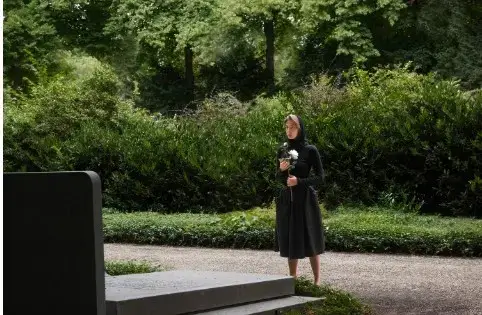
When it comes to cemeteries, something gray, gloomy and heavy often appears in my head. But it could be completely different. A fresh, conscious view of how we say goodbye to our loved ones is gradually forming in the world. The eco-approach in the memorial field is not a trend for show, but a real way to respect not only memory, but also the planet.
Cemeteries, especially large ones, often occupy kilometers of land, where everything is lined with concrete, granite and marble. But these materials, although durable, leave much to be desired in the ecological sense. Granite mining, for example, requires blasting, deforestation, and wild energy. Marble is no better. Therefore, more and more families are looking towards more environmentally friendly options. Not because it's "fashionable," but because it's logical.
What are "green" tombstones made of?
If you think that a biodegradable monument is a plywood plaque that will be washed away by the first rain, then no. Modern technologies https://bel-memorial.by / they offer materials that look decent, last for years and at the same time do not pollute the environment.
For example, use:
- A tree treated with natural oils that eventually sinks into the ground without leaving a trace.
- Sandstone and slate, extracted manually, without destructive methods for nature.
- Rusting steel (Corten) — looks cool, lives a long time and is fully recyclable.
- Polymer composites based on plant fibers, which are as strong as the classics, and at times lighter and safer.
There are even monuments made of recycled materials — glass, metal, concrete, recycled plastic. They look great and do not require the extraction of new resources. And this really saves the planet.
Alternative to tradition: memorial trees and stones
Some go even further. Instead of a tombstone, there is a tree. They plant an oak, a birch, or even a fruit tree. It turns out to be a living monument that grows, gives shade and fruits. Such "forest cemeteries" are becoming popular in Europe and the USA. It's beautiful, lively, and without any granite heaviness at all.
And in some countries, commemorative stones are gaining popularity — an ordinary boulder found in nature and only slightly processed. They put it next to the grave or directly on it, and that's it. Without gloss, without pretentiousness, simple and sincere.
Why is this important?
It's hard to believe, but every year hundreds of thousands of tons of concrete and stone appear in cemeteries all over the world. And then, in 50-100 years, it can all be demolished, forgotten, disposed of, or, worse, it will remain eternal garbage. The eco-approach helps not only to maintain an aesthetic balance, but also not to harm future generations.
There is another point: people have begun to think more often about legacy, not only in the sense of "what to leave behind," but also "what not to leave behind."