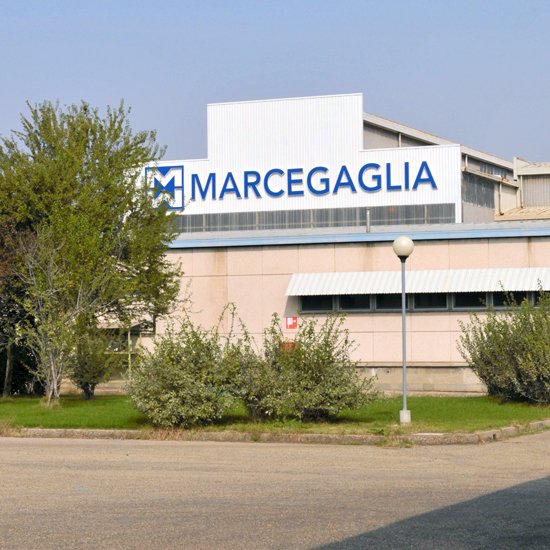
Improving economic competitiveness is an urgent priority for the EU carbon and specialty steel industry, Antonio Marcegaglia said at the SMR International Conference on Stainless and Specialty Steel in Istanbul.
While advances in artificial intelligence and digitalization may bring some relief, the structural cost gap compared to Asian manufacturers is likely to persist. Limited protective measures can help level the playing field, but excessive protectionism can damage long-term competitiveness.
Demand for specialty steel and stainless steel in Europe is expected to improve in the coming months, boosted by CBAM and other protectionist measures, after a year of limited growth, Marcegaglia said in an interview with Kallanish. event.
Competitive pressure from Asia, rising energy prices and limited access to raw materials are testing the strength of European specialty steel producers, especially in strategic segments. The key priorities for EU institutions are to increase domestic demand, solve the problem of high energy prices, provide strategic raw materials, restore a level playing field without resorting to excessive protectionism, and approach the green agreement from a technologically neutral point of view.
At the company level, "each player must find the best option for strategic positioning, but a defensive reduction or a passive position is fraught with risk," Marcegaglia said.
The EU must remain an attractive hub for high-value-added steel production. Expanding sales markets for European goods is crucial, although high production costs limit opportunities. Growing protectionism, especially from the United States, complicates this picture. Nevertheless, regions such as Africa, the Middle East and North Africa, as well as the post-war reconstruction of Ukraine, offer opportunities for growth.
For mid-size players, a reduction or specialization strategy can be useful, especially in niche or elite segments. However, a significant part of the demand is still for commodities, Marcegaglia argues.
Shifting production, although sometimes considered, is an expensive and difficult option, as each country faces its own challenges, and such a strategy "is not really suitable for the specialized steel industry," he noted.
Diversifying the industrial presence and strengthening the position in the supply chain are equally important, but this requires