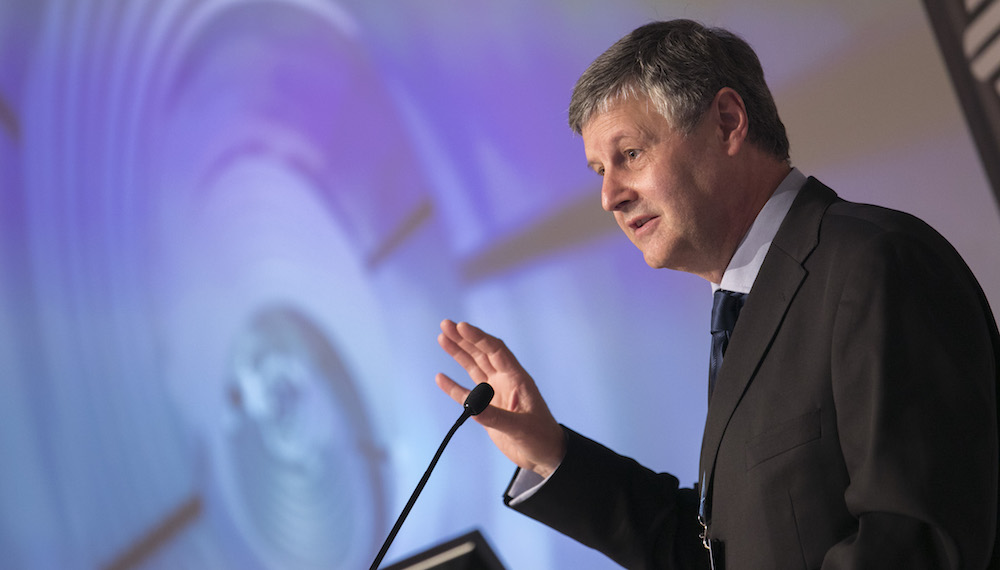
Edwin Basson, CEO of the World Steel Manufacturers Association (Worldsteel), said that the long-term excess of steelmaking capacity in China cannot be quickly reduced because it is closely linked to the structure of the country's economy.
In an interview with Bloomberg, Basson emphasized: "The closure of the steel mill causes a chain reaction in all other sectors of the economy. Therefore, there is no viable short-term solution."
The steel sector was one of the first targets of import duties imposed earlier this year by U.
S. President Donald Trump, and many countries, including Vietnam, began imposing anti-dumping duties on Chinese steel. Basson said that this trend has crossed out an approximately 20-year period of relative openness in global steel trade: "The open market that existed from 2000 to 2020 is now disappearing. The free movement of goods between continents is a crucial issue for the industry."
Demand in China is declining, exports are reaching record levels
According to Worldsteel, China's steel demand is expected to decline by 2% in 2025 and by 1% in 2026. This downturn is forcing manufacturers to export steel in record volumes, despite growing protectionism. In 2025, steel exports from China will reach a record high: in the first 11 months of this year, shipments exceeded 100 million tons. This momentum has also led to the country's overall trade surplus exceeding $1 trillion for the first time in history.
.Meanwhile, iron ore futures in Singapore declined 0.9% on the first trading day of the week, dropping to $102.45 per tonne.
A fragmented global market makes it difficult to reduce carbon emissions
Rizwan Janjua, head of technology at Worldsteel, said the fragmentation of the global steel market is jeopardizing the industry's climate change goals. He noted that steel accounts for about 8% of global carbon dioxide emissions, and stressed: "Cleaning up the industry requires an unprecedented level of international cooperation. However, as markets become more and more divided, it becomes more and more difficult to ensure such coordination."
Janjua added that the technologies needed to reduce emissions already exist, but problems related to energy supply and policy inconsistencies continue to slow down progress: "If everyone does not work together, each country will try to optimize only its own system."
steelradar.com